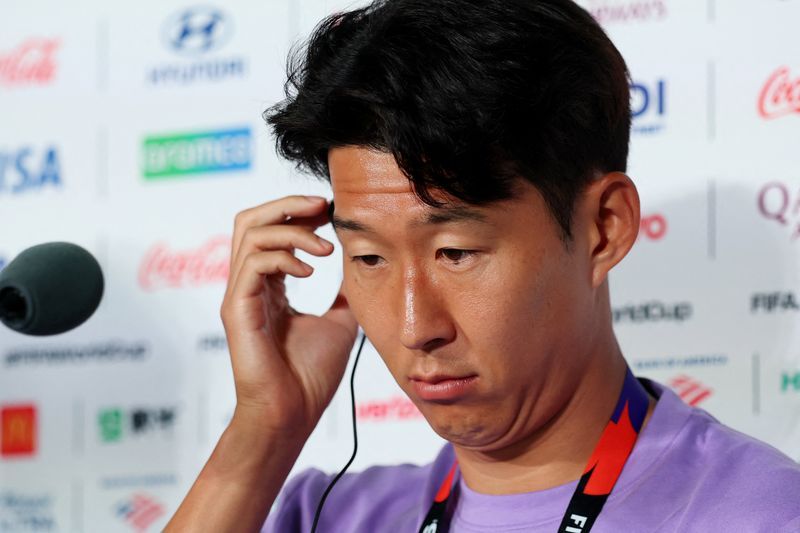
South Korea's national football team has withdrawn from voluntary media interactions during the World Cup, responding to what the country's football federation described as inappropriate comments directed at captain Son Heung-min regarding his military service record. The dispute emerged when journalists were caught on an open microphone making derisive remarks about the 33-year-old Tottenham Hotspur forward while he trained separately from his teammates at the Guadalajara base camp, according to reports circulating through South Korean media outlets.
Military conscription remains deeply embedded in South Korean society, where compulsory service lasting approximately 21 months is mandatory for all able-bodied male citizens. This obligation reflects the country's ongoing security concerns and the persistent military standoff with North Korea. The framework has shaped national identity for generations, with service completion traditionally viewed as a rite of passage and marker of civic responsibility.
The system does, however, contain provisions recognising exceptional achievement in sport. Athletes who capture gold medals at the Asian Games or secure Olympic medals become eligible for exemption from or reduction of their service requirements. Son and his teammates qualified for this exemption following South Korea's triumph at the 2018 Asian Games, where the team's victory entitled them to significant recognition within their country's military framework.
The Korea Football Association responded swiftly with an official statement expressing formal regret over the incident. The federation noted that the leaked conversations between media personnel at the training facility had caused considerable distress and disappointment to the squad, undermining team cohesion during a critical international tournament. The KFA emphasised that the players, bearing the responsibility of representing their nation on global sport's biggest stage, deserve protection and support from domestic media institutions.
In a measured response balancing accountability with operational necessity, the federation appealed to media organisations to demonstrate greater thoughtfulness and professional responsibility when covering the national team. The statement underscored the KFA's commitment to fostering a constructive media environment that supports rather than sabotages athlete performance and mental wellbeing during major competitions. Despite the team's frustration, officials acknowledged that FIFA regulations require mandatory media participation, meaning complete avoidance of journalistic duties remains impossible.
Son's own experience with military service provides instructive context for understanding why the mocking remarks struck a particular nerve. When the former Tottenham forward completed his mandatory three-week basic training course in 2020, he underwent the full intensity of South Korea's military conditioning programme. This included exposure to tear gas, participation in live-fire exercises, and gruelling endurance activities such as 30-kilometre hikes across challenging terrain. The timing coincided with the COVID-19 pandemic suspension of the Premier League, allowing him to fulfil his obligations without compromising his club career.
The incident reflects broader tensions within South Korean sports culture regarding the intersection of athletic achievement and national service expectations. While military exemptions exist to reward exceptional sporting accomplishments, they occasionally generate domestic controversy, with some citizens questioning the preferential treatment granted to elite athletes. Media commentary on these exemptions, when poorly handled or delivered with derision rather than respect for the individual's contributions, can fuel resentment and create unnecessary friction between athletes and journalists.
For Malaysian and Southeast Asian observers, this dispute illuminates how intensely military and national security concerns shape public discourse in countries facing persistent external threats. South Korea's mandatory conscription system differs markedly from Malaysia's all-volunteer military structure, yet both nations grapple with balancing national defence requirements against individual freedoms and career aspirations. Understanding these contextual differences proves essential for regional media in covering stories that touch upon national service, patriotism, and state obligations.
The South Korea team's media boycott, whilst demonstrably symbolic rather than absolute given FIFA's mandatory requirements, sends a clear message about athlete dignity and professional boundaries. The squad's response suggests that international sports bodies should perhaps more actively promote media ethics guidelines and protect players from inappropriate commentary during tournaments. Such protections become increasingly important as social media amplification and competitive domestic sports coverage create incentives for sensationalism over substance.
Moving forward, the incident may prompt the Korean Football Association to strengthen protocols governing media access and conduct at future training camps. Other national federations across Asia, including Malaysia's own Football Association, might observe the episode as a cautionary reminder that media-athlete relationships require ongoing attention and mutual respect. The balance between press freedom and athlete protection remains perpetually delicate, particularly in emotionally charged contexts where national identity and military service intersect with sporting achievement.
%22%2F%3E%3C%2Fpattern%3E%3C%2Fdefs%3E%3Crect%20width%3D%22100%25%22%20height%3D%22100%25%22%20fill%3D%22url(%23ph2hy9vg)%22%2F%3E%3Crect%20width%3D%22100%25%22%20height%3D%22100%25%22%20fill%3D%22url(%23ph2hy9vp)%22%2F%3E%3Ctext%20x%3D%2250%25%22%20y%3D%2250%25%22%20text-anchor%3D%22middle%22%20dominant-baseline%3D%22central%22%20fill%3D%22rgba(255%2C255%2C255%2C0.95)%22%20font-family%3D%22Georgia%2C%20'Times%20New%20Roman'%2C%20serif%22%20font-weight%3D%22700%22%20font-size%3D%22272%22%20letter-spacing%3D%22-0.02em%22%3EAnwar%3C%2Ftext%3E%3C%2Fsvg%3E)