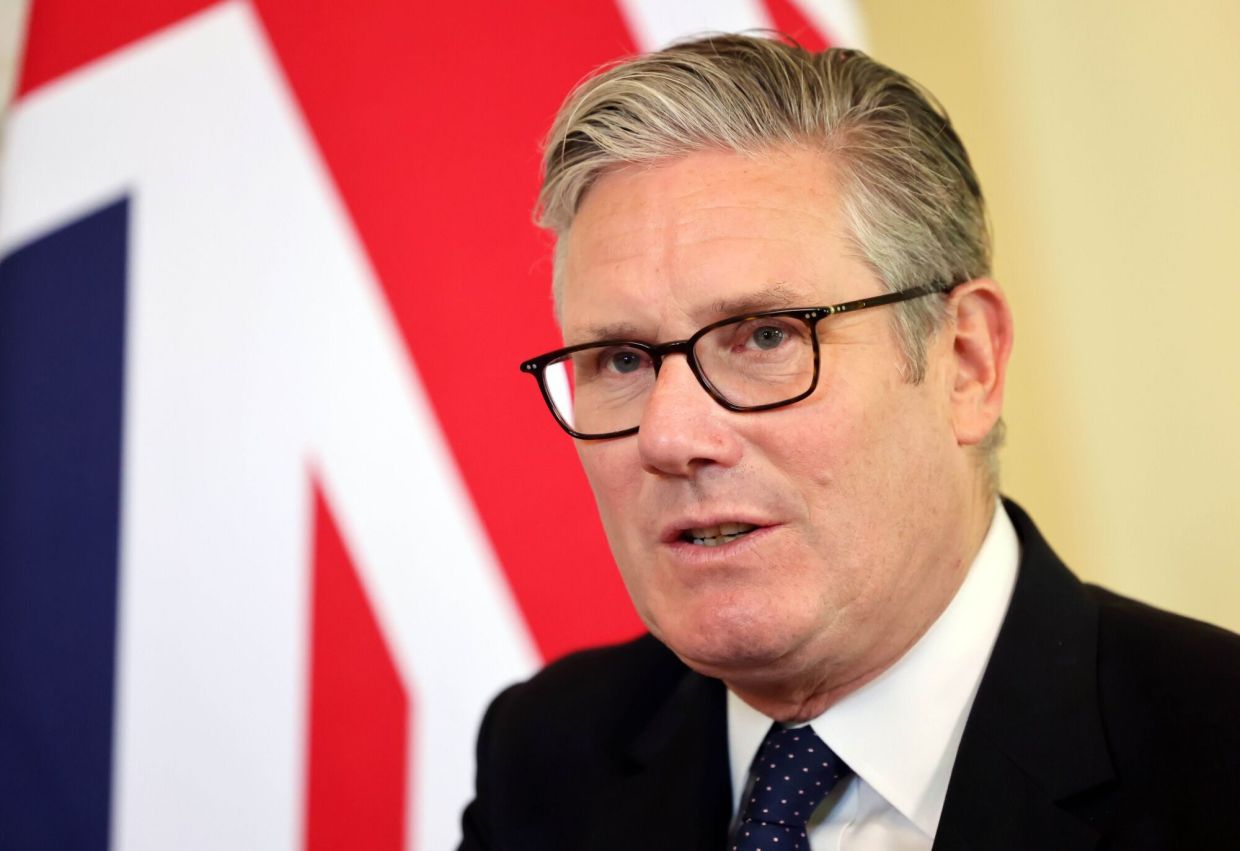
UK Prime Minister Keir Starmer is set to unveil sweeping measures on Monday aimed at shielding young Britons from digital hazards, kicking off what promises to be a defining week for his administration. The announcement will include barring children under 16 from accessing major social media platforms, alongside additional safeguards such as restricting older teenagers and imposing stringent oversight of artificial intelligence chatbots. Starmer will then travel to the Group of Seven gathering at Évian-les-Bains, France, where he faces mounting pressure following the sudden departure of his defence secretary and lingering doubts about UK military spending.
The proposed prohibition enjoys substantial backing among British voters, though questions persist about its practical implementation. Labour's comprehensive framework – encompassing restrictions on chatbots and interactive digital entertainment – outpaces similar legislation introduced in Australia, where teen social media restrictions took effect last year. "This is a choice about whose side we're on: families across the country, or a status quo that isn't working," Starmer stated in remarks released late Sunday.
Criticism emerged over the weekend from the parent of a young woman who died in 2017 after encountering damaging material online. Ian Russell voiced concern to the BBC that rushing through the ban ahead of a looming leadership challenge would be "deplorable." According to sources, certain government ministers believe the decision to impose an outright ban on social media for under-16s was accelerated following a public consultation that closed fewer than three weeks prior.
The opposition Liberal Democrats assailed the Labour government for advancing a "half-baked policy" to manufacture political advantage. Starmer faces potential internal challenge from Andy Burnham, who is positioned to secure a parliamentary seat in Thursday's by-election in Makerfield in northwest England. Such a victory could position Burnham to mount a leadership bid, potentially forcing a summer contest for control of No. 10 Downing Street.
Starmer's authority has been further strained by last week's departures of defence secretary John Healey, junior defence minister Al Carns, and two ministerial aides. Healey cited the premier's failure to obtain sufficient defence funding increases amid mounting risks from Russia and other powers. Culture Secretary Lisa Nandy indicated Sunday that the government continues pursuing cost reductions elsewhere to bolster military finances. "Negotiation is happening as we speak," she told the BBC, suggesting Starmer is exploring additional funding options. Though a larger defence budget increase would honour commitments to allied nations, it risks inviting accusations of another policy reversal following Healey's resignation.