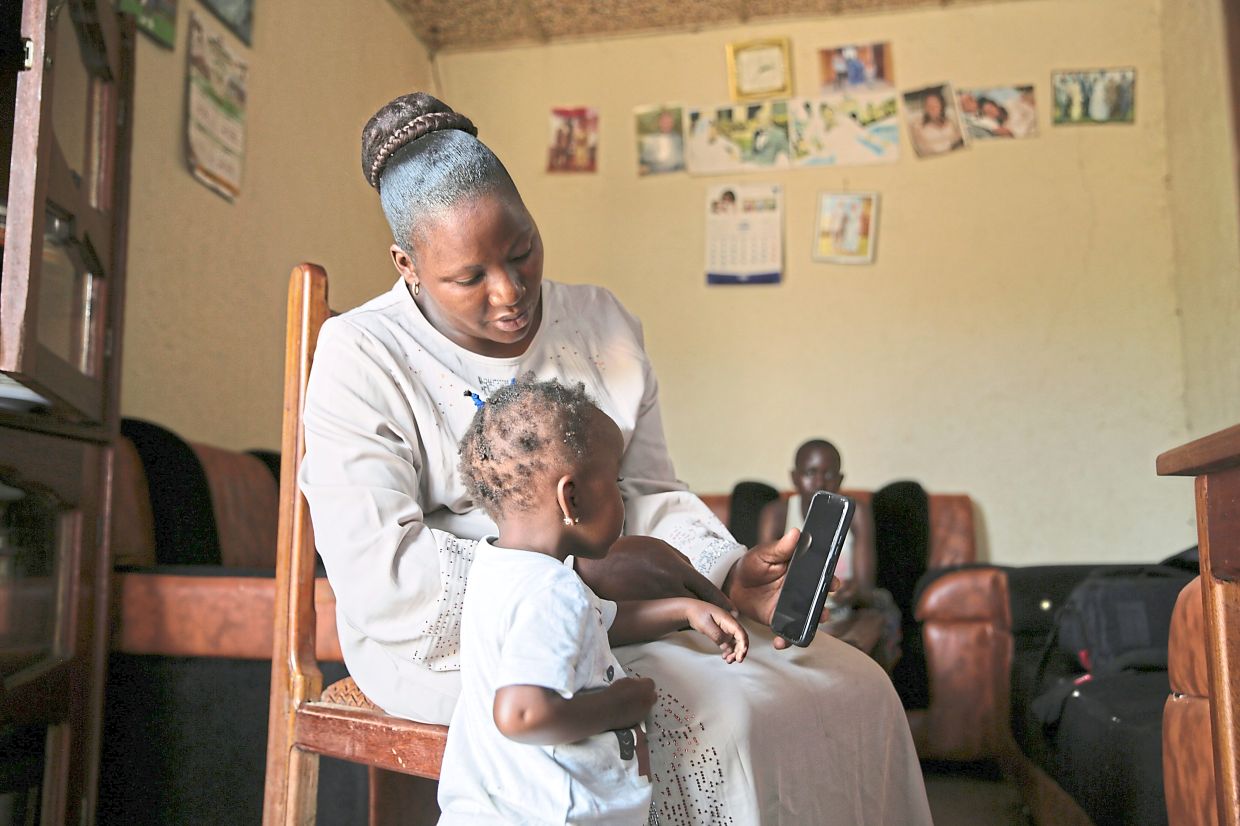
When Vianney Kambale Kombi recalls the 2018-2020 Ebola outbreak that swept through the eastern Congolese city of Beni, the weight of collective trauma still colours his recollections. The epidemic claimed more than 2,200 lives across some 3,400 reported cases, making it the second-largest Ebola outbreak in history—a grim distinction now serving as a cautionary tale as the Democratic Republic of Congo confronts yet another viral threat. The current outbreak, confirmed as of June 7, has registered 550 cases of the Bundibugyo virus strain, responsible for 101 deaths and 19 recoveries, prompting health authorities and survivors alike to reflect on what went wrong previously and how those failures might be avoided this time around.
The central lesson emerging from survivor testimonies centres on a phenomenon that proved more lethal than the virus itself: widespread community scepticism rooted in cultural misinterpretation and distrust of authorities. Kombi, who contracted Ebola after exposure to infected individuals, recalls a population gripped by explanations that had nothing to do with epidemiology. Many villagers in Beni attributed the disease to witchcraft rather than a biological pathogen, a conceptual framework that rendered conventional public health messaging ineffective. This explanatory gap—between Western medical science and deeply embedded local belief systems—created a dangerous void where accurate information should have circulated. Kombi describes how the community refused to accept both the existence of the disease and the possibility of recovery from it, a dual denial that undermined every intervention effort mounted by health workers and external partners.
The scepticism extended beyond supernatural explanations into the realm of geopolitical cynicism. Bienfait Wanzire, another survivor of the 2018 outbreak, recounts how segments of the population initially dismissed Ebola as a spiritual affliction before pivoting to an alternative theory: that the outbreak represented a political operation engineered for funding purposes. In a context where election campaigns were underway, some residents came to view the epidemic itself as a tool of political manipulation rather than a genuine public health emergency. This layering of competing narratives—witchcraft, Western conspiracy, and political opportunism—fractured the unified messaging that outbreak response demands. When populations harbour conflicting theories about disease origins and motivations for intervention, compliance with quarantine measures, vaccination programmes, and isolation protocols becomes extraordinarily difficult to achieve.
The experience of Dr Babah Mutuza Lusungu, a physician at Dieu Est Grand Medical Centre in Beni, illuminates the profound strain that community resistance imposed on healthcare workers themselves. Lusungu witnessed the deaths of his own uncle alongside two colleagues, all while confronting an avalanche of public disbelief about whether the outbreak was even real. The psychological toll of working against such headwinds—attempting to save lives while the surrounding population actively undermines intervention efforts—created what he describes as a climate of pervasive mistrust. This distrust operated on multiple axes simultaneously: between the population and health authorities, between communities and international partners, and between citizens and the health workers risking their own lives to mount a response. In such an environment, every public health decision becomes politicised, every recommended action becomes suspect, and every death becomes fodder for conspiracy theories rather than evidence of the disease's reality.
Dr Lusungu argues that a critical oversight in previous response efforts lay in the marginalisation of youth leadership and community-based educators. During the 2018 outbreak, young people were largely excluded from the decision-making architecture of the response, despite their capacity to communicate with peers and influence neighbourhood sentiment. He contends that waiting until case numbers reach crisis proportions before mobilising community leaders represents a fundamental strategic error. By that point, misinformation has already taken root in the social fabric, and correcting false beliefs becomes exponentially harder than preventing their initial adoption. The lesson for current and future outbreaks is elementary but profound: invest in community education and youth engagement from the earliest signs of disease emergence, before alternative explanations solidify into received wisdom.
The stigmatisation experienced by survivors extended far beyond the acute phase of illness, persisting for years and affecting even those whose recovery appeared complete. Esperance Masinda, who was working for the UN children's agency during the 2018 outbreak, contracted Ebola while caring for her husband, a medical doctor. The couple recovered thanks to vaccination, yet their survival did not translate into social reintegration. Instead, they encountered a different form of rejection: community members warned them that the medications they had received would kill them, predicting that death would arrive within five years. The suggestion that their recovery was illusory, that their very presence among the living represented a temporary aberration destined to be reversed by pharmaceutical poisoning, added a psychological dimension to survival that transcended the biological recovery from infection.
Masinda's account reveals how survivors became vectors not merely of information but of persistent anxiety about the outbreak's ultimate scope and mortality. Even those who had successfully overcome the disease could not escape the cultural narratives surrounding it. The fact that stigma eventually diminished, with communities later recognising survivors as fully human rather than as harbingers of death, suggests that time and normalised interaction can heal some of the social fractures created by epidemic fear. Yet the lesson for current response efforts is clear: the management of survivor reintegration and the active combating of survivor stigma must be integrated into outbreak response protocols from the beginning, not treated as an afterthought once cases have plateaued.
The contrast between the 2018-2020 outbreak and the current Bundibugyo crisis underscores the volatile epidemiological landscape facing the Congo. The previous outbreak benefited from the availability of proven vaccines that demonstrably saved lives, a technological advantage that reduced mortality and provided tangible evidence of intervention efficacy. The current outbreak confronts health authorities with a more unfamiliar virus strain and the absence of an approved vaccine, eliminating one of the primary tools for rapidly building community confidence in the response. Without the visible success of vaccination campaigns, the task of overcoming accumulated scepticism and distrust becomes immeasurably harder. Authorities must rely more heavily on the credibility of community voices, the quality of epidemiological communication, and the trust capital earned through transparent and consistent messaging.
For Southeast Asian readers, the lessons from Congo's experience resonate across the region's own vulnerable populations and outbreak-prone areas. Many countries in Southeast Asia contend with similar challenges: rural populations with traditional belief systems that may conflict with biomedical frameworks, weak institutional trust in some communities, and the rapid spread of misinformation through social media networks. The Malaysian context, while more developed and educated than eastern Congo, nonetheless harbours pockets of vaccine hesitancy and medical scepticism that could compromise outbreak response if not addressed proactively. The experience of the Congo outbreaks demonstrates that advanced warnings and community engagement must precede crisis, not follow it.
The survivors' collective testimony points toward a reorientation of outbreak response methodology away from top-down communication models toward dialogue-based engagement with community leaders, youth activists, and trusted local figures. In Beni, the most credible voices for combating misinformation were often not government health officials or international experts but rather local individuals who had survived the outbreak, recovered, and could testify to both the disease's reality and the possibility of survival. Building networks of such survivor-advocates and integrating them into response architecture from the outset could substantially reduce the time lag between outbreak emergence and effective community mobilisation. This approach recognises that epidemiological facts alone prove insufficient to change behaviour; those facts must be embedded within social relationships characterised by trust and reciprocal credibility.
As the current Bundibugyo outbreak continues to unfold, the experiences recounted by Kombi, Wanzire, Lusungu, and Masinda serve as a reminder that disease control is ultimately a social and political challenge before it is a medical one. The virus spreads through biological pathways, certainly, but the outbreak spreads through informational and social pathways shaped by prior experience with institutions, prior patterns of communication, and accumulated scepticism about authority. When communities have learned through bitter experience that official narratives can mislead them, that outside interventions can serve hidden agendas, and that their own knowledge systems offer equally valid explanations for observable phenomena, the task of mobilising collective action for outbreak control becomes exponentially more difficult. The survivors of Congo's previous Ebola crisis have paid the price for these lessons; the question now is whether their hard-won wisdom will be heeded before another generation faces similar tragedies.

%22%2F%3E%3C%2Fpattern%3E%3C%2Fdefs%3E%3Crect%20width%3D%22100%25%22%20height%3D%22100%25%22%20fill%3D%22url(%23ph2hy9vg)%22%2F%3E%3Crect%20width%3D%22100%25%22%20height%3D%22100%25%22%20fill%3D%22url(%23ph2hy9vp)%22%2F%3E%3Ctext%20x%3D%2250%25%22%20y%3D%2250%25%22%20text-anchor%3D%22middle%22%20dominant-baseline%3D%22central%22%20fill%3D%22rgba(255%2C255%2C255%2C0.95)%22%20font-family%3D%22Georgia%2C%20'Times%20New%20Roman'%2C%20serif%22%20font-weight%3D%22700%22%20font-size%3D%22272%22%20letter-spacing%3D%22-0.02em%22%3EAnwar%3C%2Ftext%3E%3C%2Fsvg%3E)