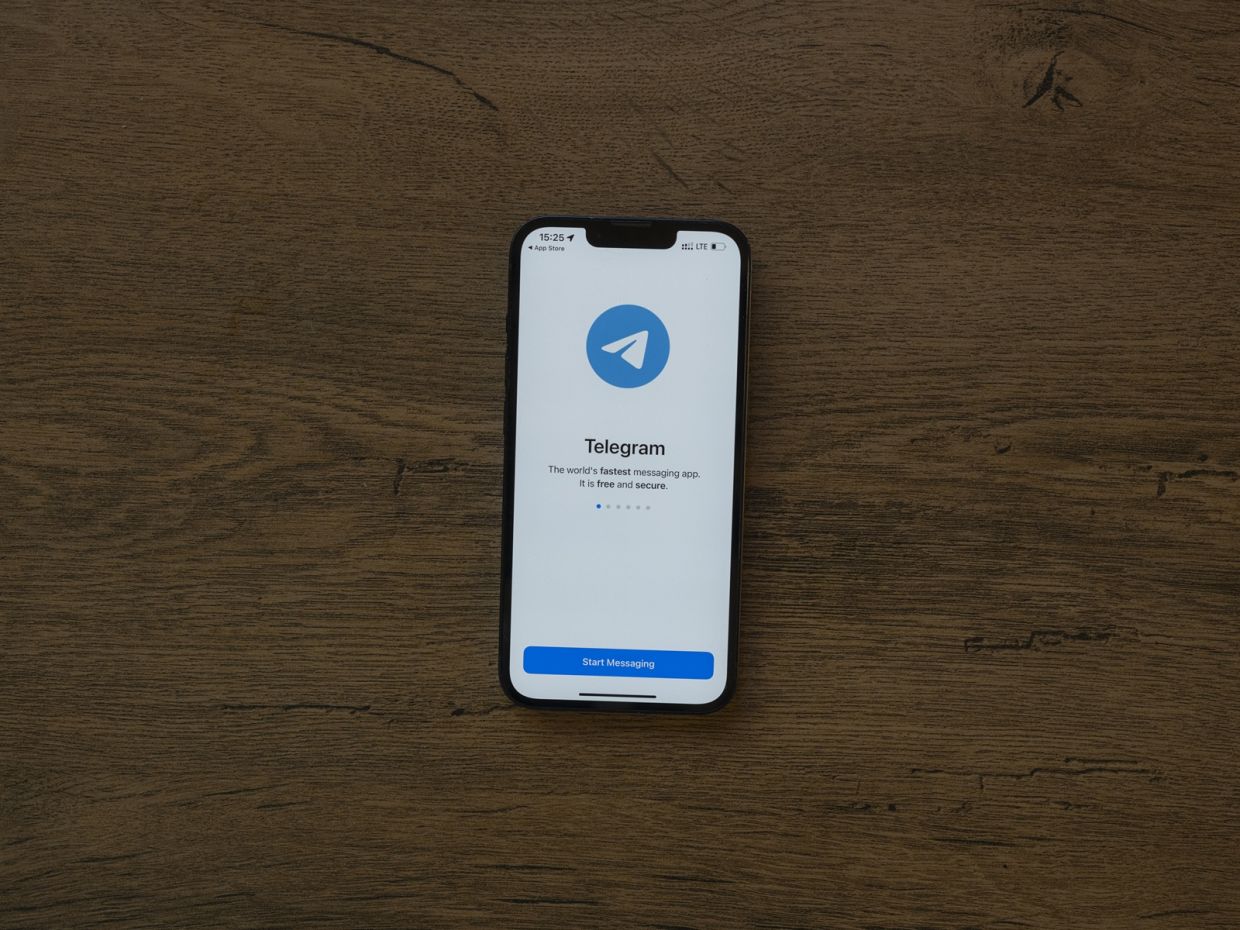
The messaging application Telegram has emerged as a flashpoint in the ongoing global conflict between digital privacy and state authority. Once celebrated as a sanctuary for dissidents and journalists operating under repressive regimes, the platform now finds itself under siege from governments across multiple continents, each seeking to curtail its operations for vastly different reasons. The latest pressure comes from India, where authorities this week suspended the service until June 22 following a scam in which fraudsters peddled fabricated medical college entrance examination papers through Telegram channels to unsuspecting students. This incident illuminates a fundamental problem that governments worldwide have identified: Telegram's encrypted architecture, designed precisely to shield users from surveillance, simultaneously shields criminal activity from detection and prosecution.
India represents one of Telegram's most substantial markets, boasting more than 150 million active users across the subcontinent. The country's National Testing Agency uncovered an audacious fraud scheme whereby bad actors sold purportedly leaked questions for the National Eligibility cum Entrance Test through various Telegram channels, marketing these materials to desperate candidates and their families preparing for the prestigious medical college admission examination. Investigations revealed the exam materials offered were entirely fabricated, yet the damage to credibility proved substantial. The testing authority responded by invalidating all scores from the May examination window and announcing a complete retesting for the following Sunday. The decision sparked considerable backlash among India's youth population, who directed their frustration not solely at the fraudsters but at government administration, viewing the examination collapse as symptomatic of deeper institutional failure. For Malaysia and the wider region, this incident resonates deeply given similar competitive entrance examination systems across Southeast Asia that remain vulnerable to comparable digital exploitation.
Pavel Durov, Telegram's Russian-born founder, swiftly denounced the Indian suspension as disproportionate and misdirected. Through posts on the social media platform X, Durov contended that blanket bans penalise millions of legitimate users while failing to address the actual perpetrators orchestrating the fraud. He simultaneously claimed that Telegram had proactively eliminated hundreds of channels dedicated to examination materials and related scam operations across India, suggesting the company had demonstrated responsibility before governmental intervention became necessary. This defensive posture reflects Durov's broader philosophy that platforms cannot reasonably be held accountable for every unlawful use of their services, a position increasingly rejected by regulators worldwide who argue that technology companies bear some responsibility for moderating harmful content on their networks.
Russia, Durov's native country, offers perhaps the most instructive precedent for understanding the ideological dimensions of the anti-Telegram campaign. In 2018, Russian authorities obtained court authorisation to block Telegram entirely after the application refused to surrender encryption keys and grant security agencies access to encrypted user communications. Durov, who had already departed Russia in 2014 amid tensions with the government, maintained that Telegram's technical architecture rendered compliance impossible—the company could not unlock encrypted messages without compromising the entire security infrastructure. The technical blockade proved difficult to implement effectively, whilst the move simultaneously embarrassed the Kremlin, which discovered that numerous Russian government agencies themselves depended heavily on Telegram for internal communications. By 2020, Russia partially lifted its restrictions after Telegram pledged enhanced cooperation against extremist content. However, this truce collapsed when Russia invaded Ukraine, prompting another comprehensive blocking campaign justified on grounds of combating fraud, terrorism, and data protection failures.
Durov characterised Russia's renewed offensive as transparently political rather than security-focused. He argued that the Kremlin sought to force Russian citizens toward domestically controlled applications explicitly engineered for surveillance and political censorship. Today Telegram remains effectively inaccessible across much of Russia, despite continued widespread usage among determined populations. The irony underlying this situation underscores a central tension in the Telegram controversy: the very features that make the platform invaluable for citizens in authoritarian contexts—encrypted privacy, resistance to governmental overreach, anonymous channel creation—simultaneously facilitate criminal activities that democracies and authoritarian regimes alike wish to prevent.
Ukraine presents a more complex scenario reflecting wartime exigencies. Throughout Russia's invasion, Telegram functioned as an essential lifeline for millions of Ukrainians seeking real-time intelligence regarding imminent Russian attacks, locating humanitarian assistance, and coordinating mutual aid networks. Nevertheless, Ukrainian government officials simultaneously recognised that the platform enabled Russian disinformation campaigns and intelligence gathering operations. In response, Ukrainian authorities in 2024 prohibited military personnel, government officials, and critical infrastructure workers from accessing Telegram on work devices, citing national security vulnerabilities. Some Ukrainian lawmakers advocated for regulations requiring Telegram to disclose the identities of operators managing large anonymous channels, a proposal that would directly undermine the privacy protections that make the platform valuable to threatened populations.
Europe has pursued increasingly aggressive regulatory strategies. Norway's justice minister issued official guidance in 2023 instructing state officials to remove both Telegram and TikTok from work devices, characterising both applications as national security threats. France escalated enforcement significantly, with authorities arresting Durov upon his arrival in the country in 2024 and charging him with multiple criminal offences spanning failures to prevent child sexual exploitation, drug trafficking, and online hate crimes on the platform. Durov faced restrictions on international travel whilst facing prosecution. Telegram responded by insisting it complied with European Union legal frameworks and questioning whether any platform or its operators could reasonably bear responsibility for user misconduct. Eventually allowed to depart, Durov relocated to Dubai in the United Arab Emirates, where he currently resides.
Brazil's regulatory interventions demonstrate how Telegram bans become entangled with domestic political conflicts. The Supreme Court implemented a nationwide suspension in 2022 immediately before a presidential election, justifying the action through claims that Telegram had failed to remove accounts operated by a Jair Bolsonaro supporter under investigation for orchestrating disinformation campaigns and issuing threats against judicial officials. Durov later apologised, attributing the non-compliance to missed electronic communications from the Brazilian court rather than deliberate obstruction. Once Telegram complied with removal orders, the ban was lifted. A subsequent 2023 incident involved blocking when Telegram allegedly failed to provide complete data from neo-Nazi group chats. Telegram countered that the relevant channels had been deleted and data recovery proved impossible. An appeals tribunal eventually lifted that particular suspension whilst imposing substantial financial penalties, illustrating how Telegram's enforcement record remains inconsistent and contested across jurisdictions.
For Malaysia and Southeast Asia more broadly, the Telegram controversy carries significant implications. The region hosts diverse regulatory philosophies ranging from relatively liberal approaches in some democracies to strict state control in others. As governments observe international precedents, they increasingly contemplate their own Telegram restrictions, particularly if similar examination fraud, terrorism financing, or organised crime allegations surface. Malaysia's own regulatory framework around digital platforms remains under development, and the global Telegram experience provides cautionary lessons about the complexity of regulating encrypted communications without inadvertently undermining legitimate privacy protections for vulnerable populations. The tension between enabling dissent and preventing crime, between protecting individual privacy and enabling governmental oversight, remains unresolved across all jurisdictions grappling with Telegram's presence.

%22%2F%3E%3C%2Fpattern%3E%3C%2Fdefs%3E%3Crect%20width%3D%22100%25%22%20height%3D%22100%25%22%20fill%3D%22url(%23ph2hy9vg)%22%2F%3E%3Crect%20width%3D%22100%25%22%20height%3D%22100%25%22%20fill%3D%22url(%23ph2hy9vp)%22%2F%3E%3Ctext%20x%3D%2250%25%22%20y%3D%2250%25%22%20text-anchor%3D%22middle%22%20dominant-baseline%3D%22central%22%20fill%3D%22rgba(255%2C255%2C255%2C0.95)%22%20font-family%3D%22Georgia%2C%20'Times%20New%20Roman'%2C%20serif%22%20font-weight%3D%22700%22%20font-size%3D%22272%22%20letter-spacing%3D%22-0.02em%22%3EAnwar%3C%2Ftext%3E%3C%2Fsvg%3E)