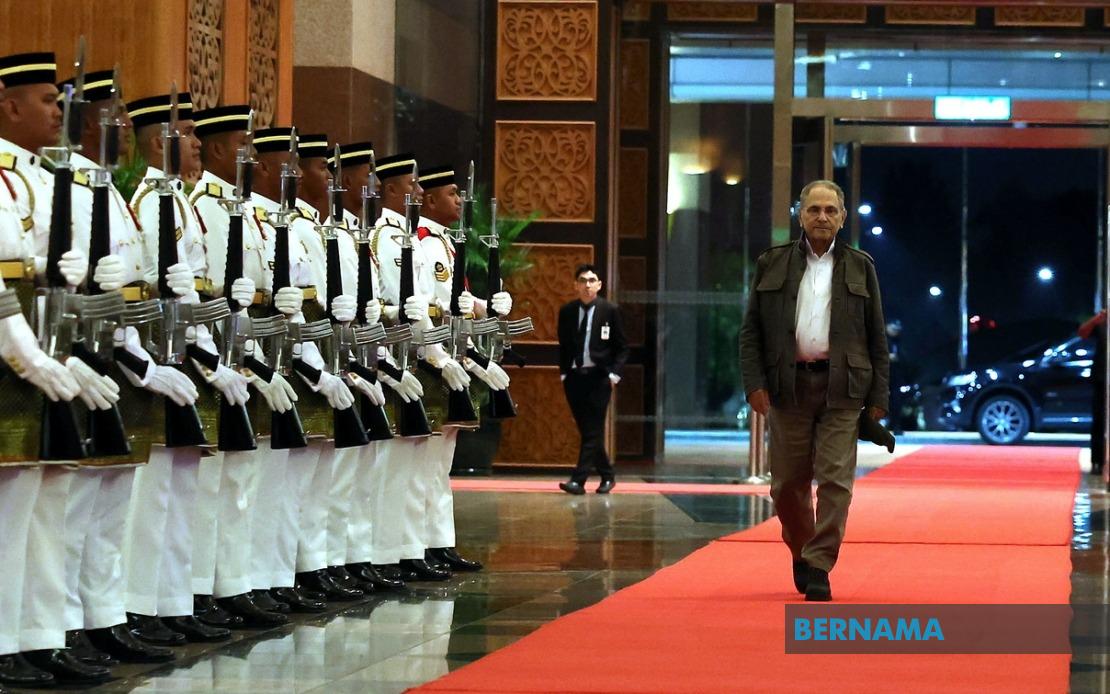
Jose Ramos-Horta, the Nobel Peace Prize-winning President of Timor-Leste, concluded a five-day state visit to Malaysia in the early hours of June 17, departing from Kuala Lumpur International Airport after an engagement focused on deepening bilateral relations and regional cooperation. His departure at 2.15 am on a Batik Air flight marked the culmination of a diplomatic mission that highlighted the growing strategic importance of Timor-Leste as ASEAN's newest member state and an emerging economic player in Southeast Asia.
Upon his arrival at KLIA's Bunga Raya Complex, Ramos-Horta was accorded full ceremonial honours befitting a visiting head of state, with a formal Guard of Honour mounted by the First Battalion Royal Ranger Regiment comprising two officers and 26 personnel. The ceremonial reception underscored Malaysia's commitment to recognizing Timor-Leste's elevated status within the regional community and reflected the warmth of diplomatic relations between Kuala Lumpur and Dili.
A highlight of the presidential visit was Ramos-Horta's participation in a dialogue session titled "A Changing World, Enduring Values" on June 15, where he characterized the relationship between his country and Malaysia in notably positive terms. He described bilateral ties as "exceptionally good" and offered public recognition of Malaysia's achievements across multiple domains, particularly commending the nation's track record in maintaining security, advancing democratic institutions, and fostering economic growth. Such statements carry significance as they reflect Timor-Leste's confidence in Malaysia as a regional anchor and partner.
During the engagement, Ramos-Horta also took the opportunity to acknowledge Malaysia's sustained support for Timor-Leste stretching back decades. He specifically referenced Malaysia's pivotal role in peacekeeping operations during 1999, when international forces were deployed to stabilize the territory following its independence from Indonesia. More recently, he expressed gratitude for Malaysia's instrumental backing of Timor-Leste's successful bid for full ASEAN membership, a goal achieved on October 26, 2025, with Malaysia playing an active advocacy role during its ASEAN chairmanship.
Ramos-Horta seized the diplomatic platform to bolster confidence in Timor-Leste's capacity to serve as ASEAN host for 2029. He projected that his country would be fully prepared to host the regional grouping, assuring that infrastructure development and facility improvements were being accelerated to meet the demanding timeline. This commitment signals to regional partners, particularly Malaysia, that Timor-Leste is moving swiftly to build the institutional and physical capacity required for hosting one of Asia's most important diplomatic gatherings.
Economic cooperation emerged as a central theme of the visit, with Ramos-Horta directly appealing to Malaysian business interests to consider investment opportunities in Timor-Leste's infrastructure sector. He presented a compelling investment case, emphasizing his country's advantageous fiscal position characterized by low public debt levels and a robust sovereign wealth fund. The President's pitch included assurance of support from multilateral financing institutions, suggesting that infrastructure projects would benefit from concessional financing arrangements that reduce investor risk and improve project viability.
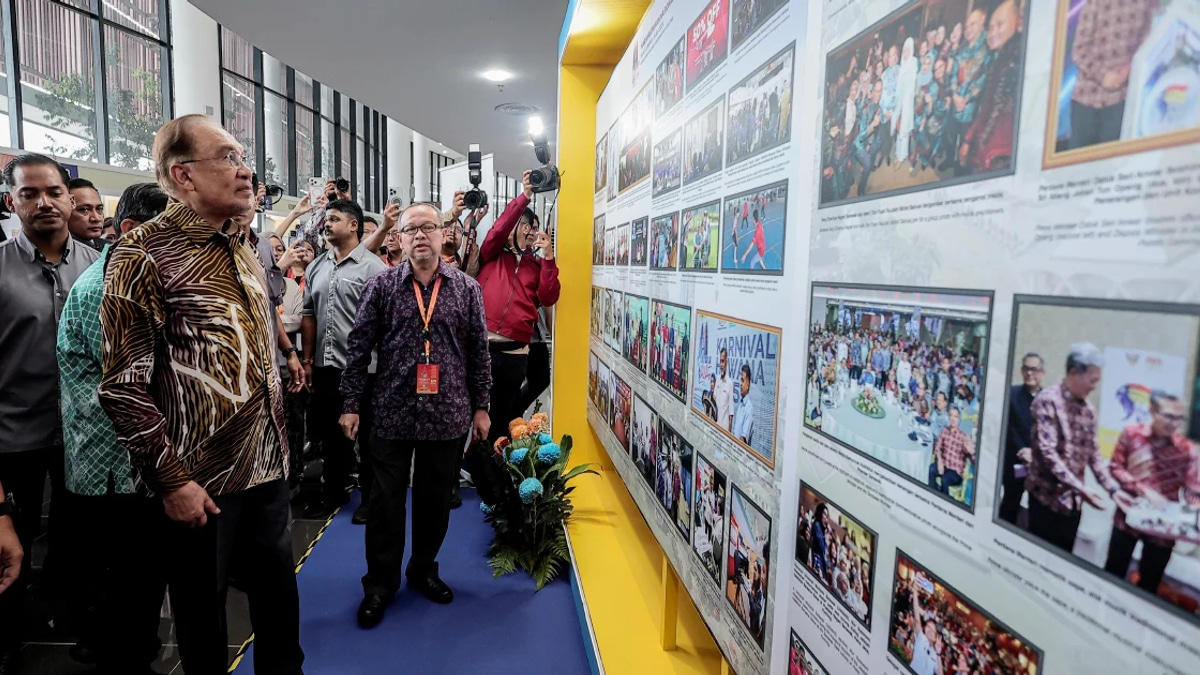
Prime Minister Datuk Seri Anwar Ibrahim hosted Ramos-Horta at an official luncheon at Seri Perdana Complex, demonstrating Malaysia's highest-level political engagement with the visiting president. During this bilateral meeting, both leaders engaged in substantive discussions aimed at expanding the scope of cooperation. The agenda encompassed trade expansion, investment facilitation, human capital development initiatives, educational exchanges, and technical training programmes—domains reflecting shared priorities for building people-to-people connections and institutional capacity across both nations.
Current bilateral trade statistics reveal that the economic relationship remains modest but demonstrates potential for expansion. In 2024, total trade between Malaysia and Timor-Leste reached USD18.72 million (RM85.68 million), with Malaysian exports comprising the dominant share at USD18.37 million (RM84.06 million). Conversely, imports from Timor-Leste totalled only USD0.35 million (RM1.62 million), indicating a significantly skewed trade balance that suggests considerable room for developing Timor-Leste's export capacity and diversifying bilateral commerce.
The asymmetry in trade flows presents both challenge and opportunity for Malaysian policymakers and businesses. While the modest scale of current trade reflects Timor-Leste's nascent economy and limited export base, the country's resource endowments—particularly in energy and natural resources—and its strategic location make it a logical target for Malaysian companies seeking expansion into emerging Southeast Asian markets. The Ramos-Horta visit appears designed partly to signal that Timor-Leste is actively pursuing such partnerships and remains open to foreign capital participation.
For Malaysia specifically, Timor-Leste's development trajectory carries regional significance beyond bilateral considerations. As ASEAN's newest member navigating the complexities of regional integration, Timor-Leste's success in building democratic institutions, maintaining stability, and achieving economic growth has implications for the broader cohesion and credibility of the ASEAN community. Malaysia's early and consistent support for Timor-Leste's membership bid and its diplomatic backing position Kuala Lumpur as a trusted partner with legitimate influence over Dili's medium-term policy direction.
The visit also reflects broader geopolitical currents within Southeast Asia, where middle-income nations like Malaysia are increasingly engaged with lower-income regional peers as part of developmental and strategic frameworks. By facilitating high-level dialogue and encouraging investment in Timor-Leste's infrastructure, Malaysia simultaneously strengthens its regional standing, creates commercial opportunities for its businesses, and contributes to stability in a strategically important corner of Southeast Asia. Ramos-Horta's invitation to Malaysian investors should be understood not merely as an economic appeal but as an expression of confidence in Malaysia's role as a regional builder and stabilizing force.

%22%2F%3E%3C%2Fpattern%3E%3C%2Fdefs%3E%3Crect%20width%3D%22100%25%22%20height%3D%22100%25%22%20fill%3D%22url(%23ph2hy9vg)%22%2F%3E%3Crect%20width%3D%22100%25%22%20height%3D%22100%25%22%20fill%3D%22url(%23ph2hy9vp)%22%2F%3E%3Ctext%20x%3D%2250%25%22%20y%3D%2250%25%22%20text-anchor%3D%22middle%22%20dominant-baseline%3D%22central%22%20fill%3D%22rgba(255%2C255%2C255%2C0.95)%22%20font-family%3D%22Georgia%2C%20'Times%20New%20Roman'%2C%20serif%22%20font-weight%3D%22700%22%20font-size%3D%22272%22%20letter-spacing%3D%22-0.02em%22%3EAnwar%3C%2Ftext%3E%3C%2Fsvg%3E)