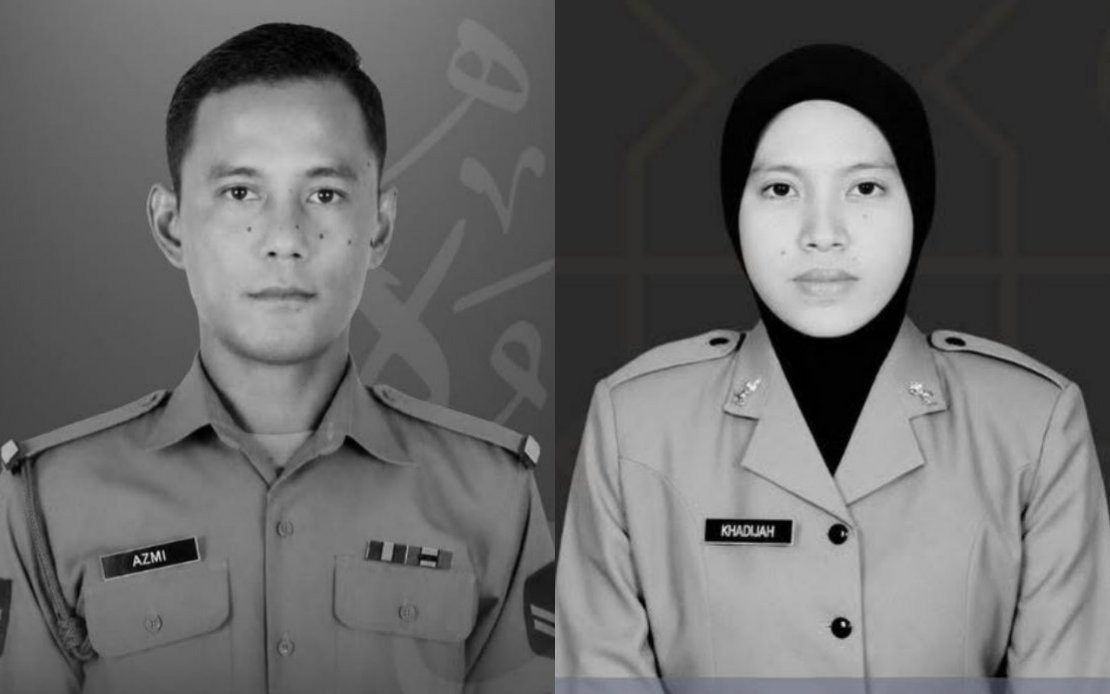
A tragic accident at a Malaysian Army training facility in Kedah has claimed the lives of two military personnel. The explosion occurred during a grenade-throwing exercise at the Hobart Camp shooting range in Gurun on the morning of June 16, with the Malaysian Army formally confirming the identities of those killed following the incident.
The deceased have been identified as Corporal Norazmi Abu Bakar, who served with the 6th Battalion of the Royal Malay Regiment, and Private Siti Khadijah Sungip from the 1st Squadron of the Royal Army Engineers Regiment. Both soldiers sustained critical injuries in the blast that erupted at 10.57 am and were declared dead en route to medical care. They were being transported to Sultan Abdul Halim Hospital in nearby Sungai Petani when they succumbed to their wounds.
The tragedy occurred as the two personnel were participating in the RAJD Combat Enhancement Training programme, which falls under the operational purview of the 2nd Infantry Division. This type of hands-on training is considered essential for developing proficiency in explosive ordinance handling and grenade deployment—core competencies for modern military personnel. The incident has raised immediate questions about safety protocols and supervision measures during live-fire and explosives training exercises across the Malaysian Armed Forces.
Following protocol in such cases, the remains have been transferred to Sultanah Bahiyah Hospital in Alor Setar, where post-mortem examinations will be conducted to formally establish cause of death and gather forensic evidence. This procedure is standard in military fatalities and provides the foundation for subsequent investigations into what went wrong during the training session.
Army Chief General Tan Sri Azhan Md Othman has launched a comprehensive and immediate investigation into the circumstances surrounding the blast. The scope of this inquiry will encompass equipment condition, training procedures, supervisory oversight, and adherence to safety regulations at the time of the incident. Such investigations are critical not only for understanding what transpired but for identifying systemic improvements that can prevent similar tragedies in future.
General Azhan expressed profound sorrow at the loss of the two soldiers and extended formal condolences to their families. Military leadership has called upon the bereaved families to demonstrate resilience during this difficult period, acknowledging the profound personal impact of losing serving members in training-related accidents. In Malaysian military culture, such expressions of sympathy from senior command carry significant weight and underscore the institutional accountability felt by the armed forces hierarchy.
The incident highlights the inherent risks associated with live-fire and explosives training, which remain necessary despite their dangers. Training accidents represent one of the most difficult aspects of military operations to prevent entirely, as they occur during essential preparation activities that cannot be conducted safely through simulation alone. The Malaysian Army, like military organisations worldwide, continuously grapples with the balance between realistic, effective training and acceptable risk management.
The Army has committed to a thorough review of all training safety procedures and protocols. This commitment encompasses not only the specific circumstances of this incident but a broader examination of how explosives training is conducted across all units and formations. Safety improvements will be informed by the investigation's findings and implemented across the organisation to reinforce protective measures and supervisory practices.
For Malaysia's armed forces, such incidents prompt reflection on the adequacy of safety equipment, medical support availability at training ranges, and the stringency of pre-training briefings and supervision. The Hobart Camp facility and other training ranges utilised by the Malaysian Army will likely undergo enhanced safety audits in the coming weeks, ensuring that all procedures meet current international standards for military training operations.
The deaths of Corporal Norazmi Abu Bakar and Private Siti Khadijah Sungip represent a sobering reminder of the sacrifices made by military personnel even during peacetime training. Their service and ultimate sacrifice will inform improvements to how the Malaysian Armed Forces conducts high-risk training activities. The forthcoming investigation results will be closely monitored not only within military circles but by Defence Ministry officials and parliamentary oversight bodies concerned with armed forces personnel safety and welfare.


%22%2F%3E%3C%2Fpattern%3E%3C%2Fdefs%3E%3Crect%20width%3D%22100%25%22%20height%3D%22100%25%22%20fill%3D%22url(%23ph2hy9vg)%22%2F%3E%3Crect%20width%3D%22100%25%22%20height%3D%22100%25%22%20fill%3D%22url(%23ph2hy9vp)%22%2F%3E%3Ctext%20x%3D%2250%25%22%20y%3D%2250%25%22%20text-anchor%3D%22middle%22%20dominant-baseline%3D%22central%22%20fill%3D%22rgba(255%2C255%2C255%2C0.95)%22%20font-family%3D%22Georgia%2C%20'Times%20New%20Roman'%2C%20serif%22%20font-weight%3D%22700%22%20font-size%3D%22272%22%20letter-spacing%3D%22-0.02em%22%3EAnwar%3C%2Ftext%3E%3C%2Fsvg%3E)