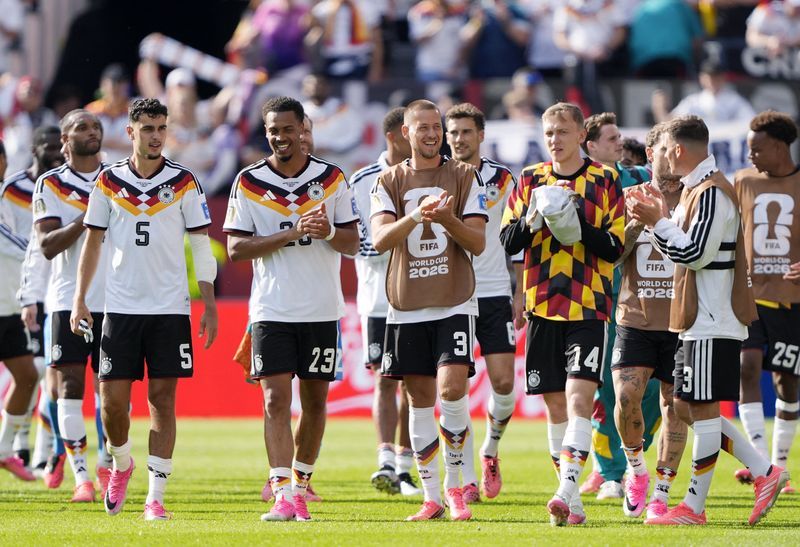
Germany mounted an impressive second-half turnaround against Ivory Coast in Toronto on Saturday, with substitute Deniz Undav netting a decisive double to secure a 2-1 victory and guarantee their progression to the World Cup knockout rounds. The result elevates the Germans to the top of Group E with six points, while the West African side remains on three points with one match remaining in the group stage. For Germany, the win marks their first knockout qualification since claiming the 2014 World Cup title, cementing their status as serious contenders despite a frustrating opening 45 minutes.
The match unfolded as a tightly contested affair between two teams eager to impose their respective styles of play. Ivory Coast struck first through Franck Kessie, who converted a rebound in the opening half after Amad Diallo's shot following a dynamic left-sided cross from Yan Diomande created the opportunity. The goal capped an encouraging spell for the Ivorians, who demonstrated their capacity for aggressive, fast-paced attacking football. However, Germany's response would ultimately prove more decisive, with their technical superiority and composure in possession allowing them to grind their way back into the contest despite early setbacks.
Germany had every reason to feel aggrieved at the interval, having had two legitimate-looking goals ruled out by the referee. Aleksandar Pavlovic's header from a short corner in the 25th minute was disallowed for an adjudged foul on goalkeeper Yahia Fofana, a decision that provoked visibly frustration from the midfielder and derision from the substantial German-supporting crowd in Toronto, where over 100,000 people of German descent reside. Later, Jamal Musiala's effort was similarly chalked off for a foul in the build-up on Odilon Kossounou. These contentious calls left Julian Nagelsmann's side goalless despite eight attempts on goal, though they refused to abandon their methodical approach or lose composure.
The turning point arrived in the second half when Undav, introduced from the bench, provided the spark Germany required. In the 68th minute, the striker demonstrated excellent technique to volley home an equaliser with a controlled finish that restored parity and shifted the momentum decisively towards the Germans. Undav's second goal followed shortly thereafter, arriving when he received possession in a turning motion, executed a sharp swivel, and unleashed a low strike that Fofana could not prevent from crossing the line. The clinical finishing capped a remarkable run of form for the versatile forward, who has now registered nine goals across his last eight matches.
Undav's impact underscored Germany's attacking depth and their ability to change tactical shape through intelligent substitutions. While the first half had seen Germany laboring to break through a organised Ivorian defence despite their superior ball retention, the introduction of fresh legs and a different attacking threat in the second period proved transformative. The Germans' trademark passing patterns and positional intelligence eventually overwhelmed their opponents, suggesting that despite the early frustrations, Nagelsmann's squad possesses the quality necessary to progress deeper into the tournament.
Ivory Coast, despite their defeat, demonstrated why they represent a genuine force within African football. Their goal extended an impressive streak to seven consecutive matches with a goal at the tournament, a record run that underscores their attacking prowess at this competition. Simon Adingra had a late opportunity to level late in the encounter but could not direct a shot on target, and a subsequent German counterattack saw Nathaniel Brown's low drive blocked by Fofana. The loss leaves the Ivorians needing points from their final group match against Curacao in Philadelphia if they harbour serious hopes of advancing.
The broader context of Germany's qualification demonstrates the competitive nature of contemporary international football. Even elite footballing nations cannot afford complacency, and the Germans' struggle against Ivory Coast in the opening period highlights how matches are frequently decided by fine margins, referee interpretations, and the availability of quality substitutes. For Southeast Asian observers watching World Cup developments, Germany's recovery illustrates why experience and squad depth remain paramount in knockout competitions, lessons equally applicable to regional championships.
Germany's final Group E match pits them against Ecuador in New Jersey on Thursday, though qualification is already assured. The fixture offers Nagelsmann's team an opportunity to refine their tactics and build momentum heading into the latter stages. Ivory Coast will face Curacao in Philadelphia on the same evening, requiring a victory if they wish to maintain genuine knockout ambitions. The contrasting trajectories of these two teams reflect how quickly momentum can shift in tournament football, with Undav's introduction serving as a reminder that depth and tactical flexibility often determine outcomes at this elite level of competition.