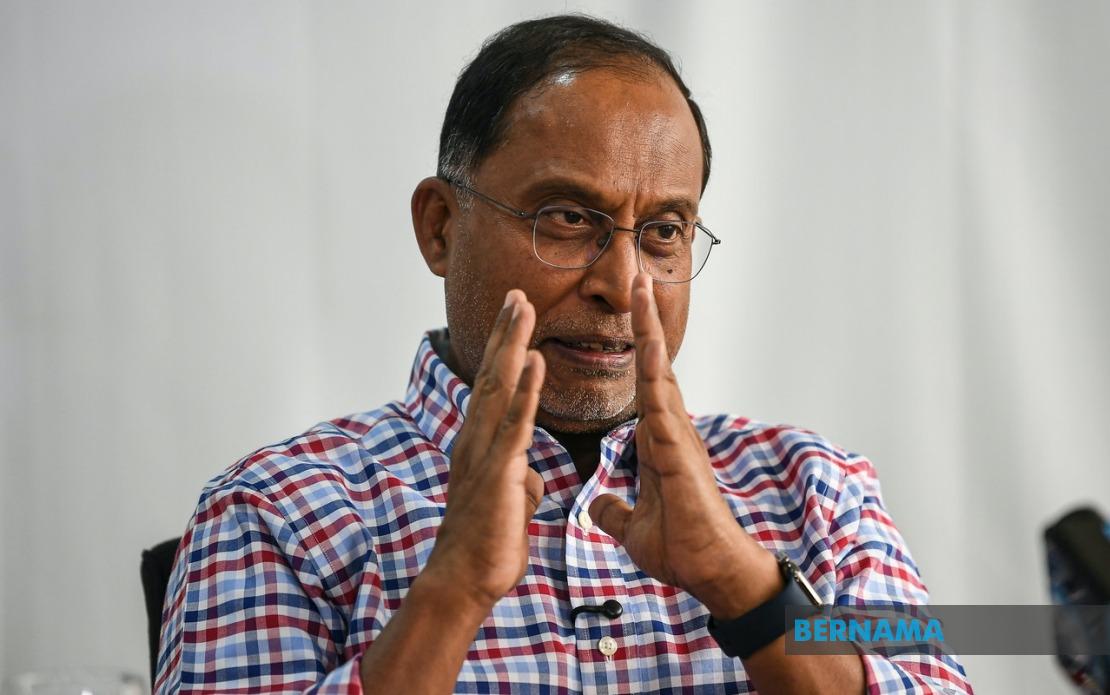
Higher Education Minister Datuk Seri Dr Zambry Abd Kadir has sounded alarm over accusations suggesting between 30,000 and 60,000 undergraduates obtained places at public universities through irregular channels, warning that such claims, if allowed to circulate unchallenged, could fundamentally weaken confidence in the nation's tertiary education framework and the mechanisms designed to allocate university places fairly.
The minister characterised the allegations as serious but unsubstantiated, noting that beyond generating headline attention, they risk damaging the standing of Malaysia's public universities both domestically and internationally. More concerning is the narrative these claims create among families navigating the university application process — that deserving candidates have been denied opportunities whilst less qualified applicants gained entry through financial incentives or connections rather than academic merit.
Zambry emphasised that the admission infrastructure for public universities operates through established protocols built on transparent assessment of qualifications against published eligibility standards. The system, he stressed, prioritises merit as the fundamental criterion for selection, a principle central to maintaining fairness across the country's diverse student population seeking tertiary education.
Challenging those making the allegations to substantiate their position, the minister called for comprehensive evidence, rigorous data analysis, and transparent methodology backing any claims of widespread irregular admissions. Without such documentation, he suggested, assertions remain merely opinion rather than established fact. This demand reflects a broader principle that serious accusations affecting institutional credibility require proportionally serious evidentiary foundations.
The response has prompted several public universities to lodge formal complaints with law enforcement agencies, enabling investigation through proper legal channels. Rather than constituting censorship or suppression, Zambry characterised this step as ensuring allegations can be examined thoroughly and professionally, with conclusions reached through established investigative procedures rather than public speculation.
The minister further articulated a distinction between legitimate criticism and baseless accusation. While the MOHE welcomes constructive feedback aimed at enhancing the national higher education ecosystem, unfounded claims presented without supporting documentation occupy a different category entirely and warrant formal challenge. This threshold reflects international best practice in institutional accountability — institutions must be open to improvement suggestions whilst simultaneously defending their integrity against unsupported attacks.
Zambry underscored that freedom of expression, whilst a cornerstone of Malaysian democracy, carries corresponding responsibility. The ability to voice opinion does not extend to making damaging allegations without factual foundation, particularly when such claims target public institutions serving hundreds of thousands of students annually. Academic discourse, whether conducted in universities, policy forums, or public conversation, carries an implicit obligation toward evidentiary rigour.
Those advancing allegations of systemic irregular admissions bear responsibility for substantiating their position comprehensively. Should they fail to present credible evidence despite opportunity, they must accept consequences for potentially damaging institutional reputations and public trust based on unfounded claims. This principle of accountability operates alongside freedom of speech rather than contradicting it.
The ministry remains committed to preserving the integrity of Malaysia's public universities whilst maintaining robust public confidence in the fairness and transparency of the admission process. This commitment encompasses two simultaneous responsibilities: defending institutions against baseless attacks and remaining genuinely responsive to legitimate concerns about improvement opportunities within the system.
For Malaysian families making university selection decisions, this controversy underscores the importance of accessing verified information about admission standards and procedures directly from institutions themselves rather than accepting unverified claims circulating online. Public universities maintain detailed documentation regarding their admission criteria, selection processes, and student demographics that demonstrate how places are allocated according to established merit-based frameworks.
The broader implications extend to institutional credibility across Malaysia's higher education landscape. Should allegations gain traction without proper substantiation, perceptions of unfairness could discourage qualified candidates from applying to public universities, potentially altering student composition and institutional dynamics. International reputation may also suffer if Malaysia's university admission system becomes characterised by questions about integrity rather than confidence in merit-based selection.
Moving forward, this situation highlights the necessity for public universities to maintain transparent communication about their admission methodologies and to publish regular data demonstrating how selections occur across demographic categories and qualification bands. Proactive transparency and rigorous enforcement against any actual irregularities represent stronger defences against reputational damage than reactive responses to unsubstantiated claims.

%22%2F%3E%3C%2Fpattern%3E%3C%2Fdefs%3E%3Crect%20width%3D%22100%25%22%20height%3D%22100%25%22%20fill%3D%22url(%23ph2hy9vg)%22%2F%3E%3Crect%20width%3D%22100%25%22%20height%3D%22100%25%22%20fill%3D%22url(%23ph2hy9vp)%22%2F%3E%3Ctext%20x%3D%2250%25%22%20y%3D%2250%25%22%20text-anchor%3D%22middle%22%20dominant-baseline%3D%22central%22%20fill%3D%22rgba(255%2C255%2C255%2C0.95)%22%20font-family%3D%22Georgia%2C%20'Times%20New%20Roman'%2C%20serif%22%20font-weight%3D%22700%22%20font-size%3D%22272%22%20letter-spacing%3D%22-0.02em%22%3EAnwar%3C%2Ftext%3E%3C%2Fsvg%3E)