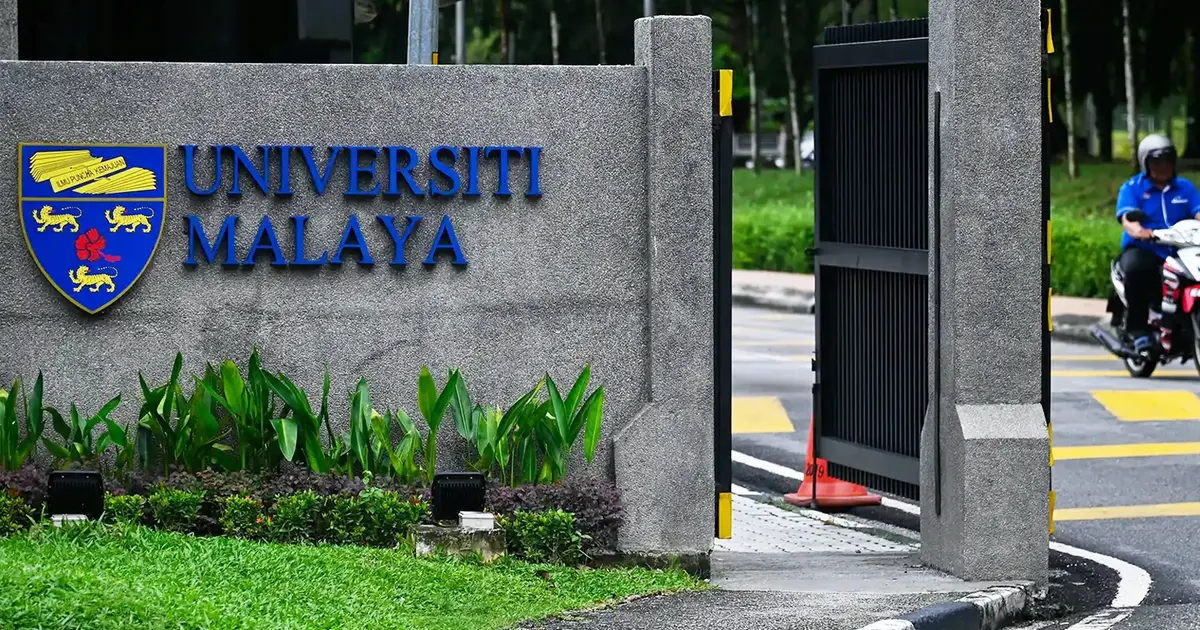
Student advocacy organisation NewGen UM has intensified pressure on the University of Malaya to deliver findings from a sexual harassment investigation that remains incomplete more than half a year after officials indicated it would soon conclude. The group's intervention highlights growing frustration within the student body over the protracted timeline and lack of transparency surrounding allegations against a member of the academic staff.
When university leadership announced in September that the probe had entered its final phases, the revelation raised expectations that a resolution would materialise within weeks. Instead, months have elapsed without any public disclosure of the investigation's outcome or the measures that might follow. This prolonged silence has fuelled concerns among students and advocates that institutional accountability mechanisms may be inadequate or functioning poorly within Malaysia's oldest university.
The case underscores persistent questions about how Malaysian universities handle misconduct allegations involving senior personnel. While formal investigation processes exist to protect institutional credibility and fairness to all involved, the extended timescale raises legitimate queries about whether procedural rigour has inadvertently created communication vacuums that undermine institutional trust. Students and staff operating within the university system deserve clear timelines and regular updates, particularly when matters of this seriousness are at stake.
NewGen UM's decision to escalate demands for accountability reflects a broader shift in campus culture across Southeast Asia. Younger generations of students increasingly expect their institutions to demonstrate commitment to preventing harassment and creating genuinely safe environments. For many, this commitment extends beyond formal policies to encompass transparency, timeliness, and willingness to communicate findings to affected communities. The group's intervention signals that these standards are becoming non-negotiable benchmarks against which universities will be measured.
University of Malaya holds particular significance within Malaysia's higher education landscape as a leading research institution and the nation's premier university. Its handling of such cases reverberates beyond its own gates, influencing expectations and practices across other tertiary institutions. When a university of UM's stature faces criticism for investigative delays, it sends ripples through an entire sector increasingly under scrutiny over safeguarding standards.
The silence surrounding this investigation also affects the complainant, whose patience and cooperation throughout the process deserve recognition and results. Prolonged investigations without communication can compound initial trauma and signal to victims that their grievances, while formally acknowledged, carry insufficient institutional weight to warrant expeditious resolution. This dynamic can discourage future reporting and reinforce perceptions that coming forward carries risks without corresponding institutional support.
From an institutional perspective, delay in communicating findings creates space for rumour and speculation that can distort public understanding of what occurred and what conclusions were reached. Transparent communication, delivered thoughtfully and in accordance with appropriate confidentiality protections, actually strengthens rather than weakens institutional credibility. Universities that demonstrate they can conduct rigorous investigations while maintaining open communication with stakeholders build confidence in their accountability mechanisms.
The situation also illuminates tensions between procedural diligence and stakeholder expectations. Thorough investigations necessarily require time, and rushing conclusions would be counterproductive. However, institutional leadership has a parallel obligation to maintain regular communication about progress, anticipated timelines, and any factors causing delays. Leaving the university community entirely in the dark for extended periods suggests a breakdown in this communicative responsibility.
For Malaysian higher education more broadly, this case presents an opportunity for sector-wide reflection on investigative protocols and communication standards. Universities might consider establishing clear public guidelines specifying expected investigation timelines, interim progress updates to relevant communities, and frameworks for concluding investigations and communicating outcomes while respecting confidentiality. Such transparency would benefit all institutions by establishing consistent expectations.
NewGen UM's activism also underscores the irreplaceable role student organisations play in demanding institutional accountability. Universities benefit from engaged student voices that articulate community concerns and insist on standards. Rather than viewing such advocacy as confrontational, institutions increasingly recognise it as essential feedback that strengthens their operations and credibility.
Moving forward, University of Malaya faces an opportunity to reset community confidence by promptly finalising its investigation and communicating outcomes in accordance with appropriate protocols. This would demonstrate that institutional mechanisms function effectively and that the university takes sexual harassment seriously through actions, not merely stated commitments. The coming weeks will reveal whether the university embraces this opportunity or allows further delays to compound questions about its commitment to safeguarding its community.

%22%2F%3E%3C%2Fpattern%3E%3C%2Fdefs%3E%3Crect%20width%3D%22100%25%22%20height%3D%22100%25%22%20fill%3D%22url(%23ph2hy9vg)%22%2F%3E%3Crect%20width%3D%22100%25%22%20height%3D%22100%25%22%20fill%3D%22url(%23ph2hy9vp)%22%2F%3E%3Ctext%20x%3D%2250%25%22%20y%3D%2250%25%22%20text-anchor%3D%22middle%22%20dominant-baseline%3D%22central%22%20fill%3D%22rgba(255%2C255%2C255%2C0.95)%22%20font-family%3D%22Georgia%2C%20'Times%20New%20Roman'%2C%20serif%22%20font-weight%3D%22700%22%20font-size%3D%22272%22%20letter-spacing%3D%22-0.02em%22%3EAnwar%3C%2Ftext%3E%3C%2Fsvg%3E)