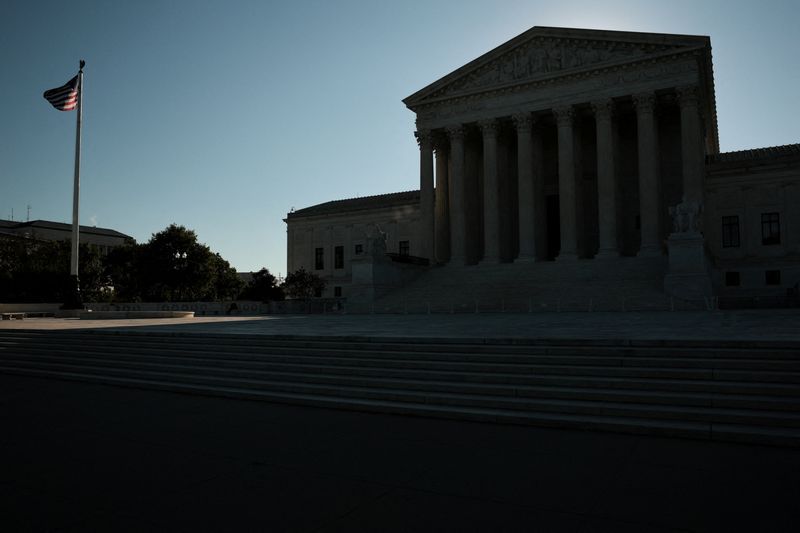
The US Supreme Court declined on Monday to hear Tata Consultancy Services' appeal against a $168 million damages award imposed by DXC Technology, upholding the lower courts' decision in a closely watched trade secrets case.
The dispute centres on allegations that India-based Tata unlawfully obtained proprietary information related to life-insurance software. DXC's predecessor, Computer Sciences Corp, had licensed the software to Transamerica during the 1990s. When DXC filed suit in Dallas federal court in 2019, it claimed that Tata hired approximately 2,200 former Transamerica employees and leveraged their knowledge of the proprietary system to develop a rival insurance platform.
A Dallas jury rendered an advisory verdict in 2023 recommending damages of $210 million for willful misappropriation. U.S. District Judge Brantley Starr subsequently reduced this amount to $168 million, comprising $56 million in compensatory damages and $112 million in punitive damages. The 5th U.S. Circuit Court of Appeals, based in New Orleans, affirmed the reduced award in 2025.
Tata had contested the award before the Supreme Court on two principal grounds. The company argued that DXC should have been required to demonstrate actual losses as a prerequisite for recovering unjust enrichment damages, and contended that the punitive component of the award was unreasonably large. Tata also maintained that the information in question did not qualify as trade secrets under applicable law and that it had accessed the software through lawful means.
DXC defended the decision, asserting that the appellate court's application of established legal principles required no further judicial examination. Under U.S. trade secrets legislation, monetary awards can encompass both compensatory damages reflecting the plaintiff's losses and recovery for the defendant's unjust enrichment, with the DXC award grounded entirely in the latter category.