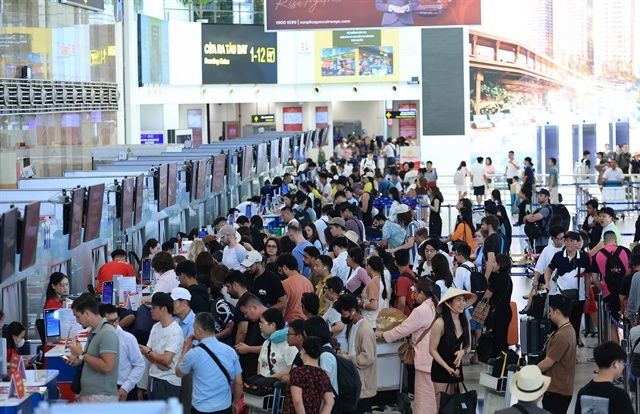
Vietnam has introduced comprehensive passenger protection measures through Government Decree No. 208, which mandates airline compensation for disrupted travel beginning next month. The newly issued regulation represents a significant shift in the nation's civil aviation framework, codifying protection standards that previously lacked clear legal definition. The decree addresses a range of operational disruptions affecting passengers, from minor delays to complete flight cancellations, and establishes specific obligations for carriers to notify, assist, and financially compensate affected travellers.
The regulation defines flight delays with precision, classifying any departure occurring more than 15 minutes after the scheduled time as a delay, with particularly acute disruptions termed "long delays" when aircraft depart four hours or later than scheduled. This granular approach allows for proportionate responses from carriers depending on disruption severity. The decree's tiered compensation structure reflects international best practices observed in aviation regulation, where longer delays trigger more substantial passenger support obligations. Vietnamese carriers will now operate under clear benchmarks that eliminate ambiguity about when compensation obligations arise.
Airlines operating in Vietnam must immediately notify passengers of anticipated delays, provide transparent explanations, and keep departure information current. Carriers face an obligation to update revised departure estimates to airport operators and terminal service providers at least every 30 minutes, ensuring that flight information displays reflect accurate projections. This requirement addresses a persistent frustration among travellers who encounter outdated information systems that fail to communicate evolving delay situations. By mandating frequent updates, the decree acknowledges that passenger decision-making depends on reliable, current information.
Passenger assistance provisions activate when delays exceed two hours, requiring carriers to provide drinking water or equivalent voucher compensation. For extended nighttime disruptions occurring between 10 pm and 7 am, airlines must secure sleeping or resting accommodation appropriate to local conditions, recognising that late-night delays impose particular hardship on stranded passengers. Daytime delays between 7 am and 10 pm require suitable rest facilities provided according to airport capabilities. These provisions ensure that passengers enduring extended disruptions receive tangible support rather than facing prolonged discomfort at airports.
The decree establishes that carriers bear responsibility for rebooking passengers or rerouting them to final destinations when delays occur due to airline fault. Significantly, carriers must waive itinerary change restrictions and rebooking surcharges when the airline itself caused the disruption, preventing passengers from facing financial penalties resulting from circumstances beyond their control. This provision recognises that passengers should not absorb costs arising from carrier failures. The regulation distinguishes between disruptions caused by airline operations versus external factors, though full details on compensation methodology remain subject to ministerial prescription.
Schedule changes—alterations to originally marketed departure times—trigger distinct protections under the decree. When carriers advance or delay flights by five hours or more, passengers gain the right to full ticket refunds on demand or reboking on alternative flights. Carriers must offer suitable departure time adjustments or secure alternative flights within 72 hours at passenger request. However, schedule adjustments of no more than four hours earlier or 15 minutes later than originally scheduled fall under carrier discretion, allowing minor adjustments without triggering mandatory compensation. This tiered approach distinguishes between significant schedule changes that materially affect passenger plans and minor adjustments that create minimal disruption.
Flight cancellations, defined as flights not operated under a specific marketed flight number despite at least one confirmed passenger holding a ticket, trigger immediate carrier notification obligations. Airlines must apologise and explain cancellation reasons without delay. When cancellation results from carrier error, passengers receive entitlements to full rebooking on alternative itineraries, complete fare refunds, or partial refunds for unused portions. This approach prevents airlines from simply cancelling unprofitable flights while passengers absorb the consequences.
The regulatory framework reflects growing regional awareness that passenger protection standards require explicit legal codification. As Southeast Asian aviation expands and increasingly connects the region to global networks, standardised passenger rights become essential for maintaining consumer confidence. Vietnam's approach aligns broadly with international conventions governing air transport, creating consistency for both domestic travellers and international passengers transiting Vietnamese carriers. The regulation demonstrates Vietnam's commitment to modernising civil aviation law in line with regional and global standards.
Implementation of these protections will likely reshape how Vietnamese carriers manage operations, particularly regarding communication protocols and customer service procedures. Airlines must invest in systems ensuring timely passenger notification and regular information updates. The requirement to provide accommodation and meals for lengthy disruptions will increase operational costs, potentially influencing scheduling decisions. Carriers may face administrative burdens complying with new reporting requirements to aviation authorities regarding delays, cancellations, and denied boarding incidents.
For Malaysian travellers regularly using Vietnamese carriers or connecting through Vietnamese hubs, these protections establish clearer recourse mechanisms when disruptions occur. The regulation's specificity regarding compensation triggers and passenger rights provides Australian, Thai, and other regional travellers with enforceable standards previously ambiguous under Vietnamese aviation law. The decree's emphasis on transparency and communication addresses persistent regional complaints about inadequate passenger notification during disruptions, establishing explicit obligations that carriers cannot circumvent.
The Minister of Construction will subsequently issue detailed guidance on non-refundable advance compensation amounts, payment procedures and deadlines, and carrier obligations regarding information publication and incident reporting. These implementing regulations will clarify specific compensation figures corresponding to delay durations, establishing concrete financial obligations replacing the vague protections previously available. The phased regulatory approach allows the aviation ministry to calibrate compensation levels based on industry consultation and economic impact assessment.
As the decree takes effect next month, Vietnamese carriers enter a new regulatory environment demanding heightened passenger focus. For the region's travelling public, the measure represents meaningful progress toward protecting consumer interests in air transport, establishing standards that clearly distinguish airline obligations from passenger entitlements. The regulation's implementation will reveal whether carriers effectively comply with new requirements or whether enforcement mechanisms require strengthening to ensure genuine passenger protection.

%22%2F%3E%3C%2Fpattern%3E%3C%2Fdefs%3E%3Crect%20width%3D%22100%25%22%20height%3D%22100%25%22%20fill%3D%22url(%23ph2hy9vg)%22%2F%3E%3Crect%20width%3D%22100%25%22%20height%3D%22100%25%22%20fill%3D%22url(%23ph2hy9vp)%22%2F%3E%3Ctext%20x%3D%2250%25%22%20y%3D%2250%25%22%20text-anchor%3D%22middle%22%20dominant-baseline%3D%22central%22%20fill%3D%22rgba(255%2C255%2C255%2C0.95)%22%20font-family%3D%22Georgia%2C%20'Times%20New%20Roman'%2C%20serif%22%20font-weight%3D%22700%22%20font-size%3D%22272%22%20letter-spacing%3D%22-0.02em%22%3EAnwar%3C%2Ftext%3E%3C%2Fsvg%3E)