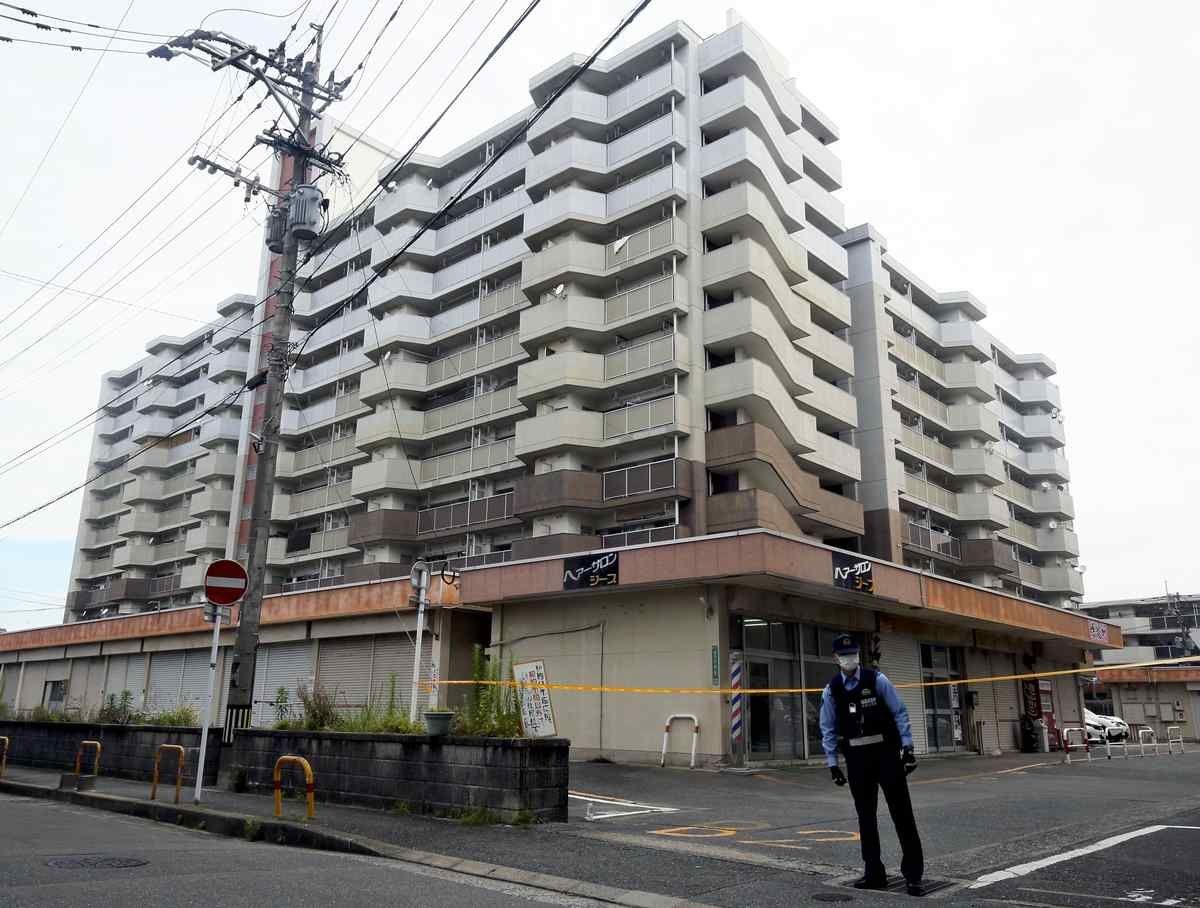
A 36-year-old woman was taken into custody by Fukuoka Prefectural Police on Thursday, June 18, following the fatal stabbing of a female acquaintance in Fukuoka City. The incident has shocked the local community and raised fresh concerns about domestic violence and safety within residential settings. The victim, aged 33, was pronounced dead at hospital after being transported from the scene, with authorities now treating the case as a homicide rather than the initial attempted murder charge.
The alleged assault occurred in the early morning hours of Thursday at approximately 3:15am, when the suspect reportedly used a knife-like implement to inflict multiple wounds to her friend's neck and chest. The brutality and timing of the attack underscore the unpredictable nature of violent crimes that can erupt unexpectedly within seemingly ordinary domestic spaces. Investigators from Higashi Station of the Fukuoka Prefectural Police conducted interviews with the suspect, who subsequently confessed to the allegations without resistance.
In her initial statement to police, the suspect acknowledged her involvement in the killing, stating plainly: "It's true I did it. I stabbed her many times." This immediate admission has streamlined the investigation process, though authorities will continue gathering evidence and establishing the circumstances that led to the lethal confrontation. The straightforward confession is unusual in high-profile cases and suggests either overwhelming guilt or clear motive, though investigators have not yet disclosed details about what sparked the violence.
What distinguishes this tragedy from other violent crimes is the presence of three elementary school-aged children, the victim's offspring, who were sleeping in an adjacent room throughout the assault. The proximity of young children to such brutality raises troubling questions about their exposure to trauma and the psychological impact of witnessing or discovering such violence in their own home. The children's welfare and protection during and after this incident would represent a critical concern for social services and local authorities tasked with supporting the family's recovery.
The Fukuoka Prefectural Police's decision to reclassify the investigation from attempted murder to murder reflects the victim's death and the severity of the injuries sustained during the attack. This procedural shift triggers different investigative protocols and potentially carries more serious legal consequences for the accused. In Japan's criminal justice system, the distinction between attempted homicide and completed murder carries significant weight in sentencing and reflects the gravity of the offense.
The case highlights broader patterns of violence within Japanese society that often occur behind closed doors. While Japan maintains relatively low violent crime rates compared to other developed nations, incidents involving personal relationships—whether between friends, family members, or acquaintances—continue to demonstrate that danger can emerge from trusted connections. The victim and suspect's established relationship as friends suggests this was not a random attack but rather an explosion of tensions that had presumably been building between them.
Fukuoka City, located on the northern coast of Kyushu island, serves as a major urban centre with a population exceeding one million residents. Such high-profile criminal incidents in major metropolitan areas attract considerable media attention and public concern about community safety. The incident occurred in a residential neighbourhood where families typically feel secure, yet this case demonstrates how violent crime can breach that sense of security without warning.
The investigation will likely focus on establishing the motive behind the attack, examining the relationship between the victim and suspect, and determining whether prior conflicts or incidents had been documented. Police will also investigate whether the suspect had any history of violence or mental health concerns that might provide context for the fatal assault. Understanding the precipitating factors could reveal whether this represents an isolated incident or part of a pattern of problematic behaviour.
For Southeast Asian observers, this case serves as a reminder that violent crime transcends economic development levels and geographical boundaries. Despite Japan's reputation for safety and low crime rates, tragic incidents still occur within domestic settings where children may be present. The case underscores the importance of community awareness, accessible mental health services, and intervention mechanisms for individuals experiencing conflict or emotional distress before situations escalate to violence.


%22%2F%3E%3C%2Fpattern%3E%3C%2Fdefs%3E%3Crect%20width%3D%22100%25%22%20height%3D%22100%25%22%20fill%3D%22url(%23ph2hy9vg)%22%2F%3E%3Crect%20width%3D%22100%25%22%20height%3D%22100%25%22%20fill%3D%22url(%23ph2hy9vp)%22%2F%3E%3Ctext%20x%3D%2250%25%22%20y%3D%2250%25%22%20text-anchor%3D%22middle%22%20dominant-baseline%3D%22central%22%20fill%3D%22rgba(255%2C255%2C255%2C0.95)%22%20font-family%3D%22Georgia%2C%20'Times%20New%20Roman'%2C%20serif%22%20font-weight%3D%22700%22%20font-size%3D%22272%22%20letter-spacing%3D%22-0.02em%22%3EAnwar%3C%2Ftext%3E%3C%2Fsvg%3E)