%22%2F%3E%3C%2Fpattern%3E%3C%2Fdefs%3E%3Crect%20width%3D%22100%25%22%20height%3D%22100%25%22%20fill%3D%22url(%23ph3k674g)%22%2F%3E%3Crect%20width%3D%22100%25%22%20height%3D%22100%25%22%20fill%3D%22url(%23ph3k674p)%22%2F%3E%3Ctext%20x%3D%2250%25%22%20y%3D%2250%25%22%20text-anchor%3D%22middle%22%20dominant-baseline%3D%22central%22%20fill%3D%22rgba(255%2C255%2C255%2C0.95)%22%20font-family%3D%22Georgia%2C%20'Times%20New%20Roman'%2C%20serif%22%20font-weight%3D%22700%22%20font-size%3D%22272%22%20letter-spacing%3D%22-0.02em%22%3EAnwar%3C%2Ftext%3E%3C%2Fsvg%3E)
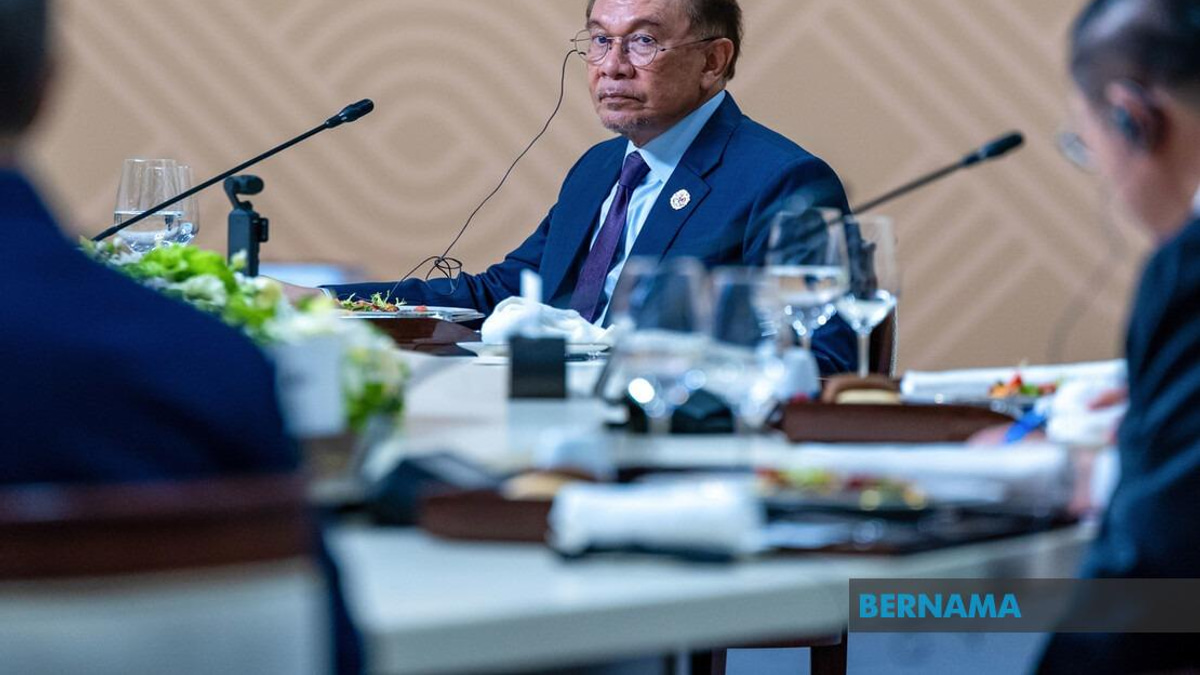
Prime Minister Datuk Seri Anwar Ibrahim's recent diplomatic missions to Russia and Turkmenistan have underscored the growing importance of personal engagement in international relations, with his distinctive approach to bridge-building emerging as a tangible advantage for Malaysian interests in regions traditionally distant from Kuala Lumpur's sphere of influence. The visits demonstrate how contemporary statecraft increasingly relies on the ability of national leaders to establish genuine rapport with counterparts, translating personal chemistry into concrete bilateral arrangements and deeper strategic understanding.
Anwar's engagements in Moscow and Ashgabat revealed a leadership style that emphasizes intellectual discourse and cultural understanding alongside conventional diplomatic protocols. Rather than limiting interactions to formal state ceremonies and scripted public appearances, the Prime Minister invested considerable time in substantive conversations with Russian and Turkmen officials, exploring shared interests in economic cooperation, energy security, and regional stability. This approach contrasts with more transactional diplomacy and signals Malaysia's commitment to building enduring partnerships rather than pursuing narrow, short-term gains.
The timing of these visits carries particular significance for Malaysia's strategic positioning in an increasingly multipolar world. As tensions between Western and non-Western powers reshape global alignments, countries navigating this complex landscape require leaders capable of maintaining constructive relationships across ideological and geopolitical divides. Anwar's ability to engage meaningfully with both established and emerging power centres positions Malaysia as a thoughtful, principled actor capable of pursuing independent foreign policy while respecting the legitimate concerns of diverse partners.
In Russia, discussions centered on expanding economic ties beyond traditional sectors, with particular emphasis on technology transfer, educational exchanges, and infrastructure development. The Malaysian delegation's engagement with Russian counterparts reflected an understanding that sustainable partnerships require investment in human capital and institutional connections. These conversations laid groundwork for future cooperation in fields where both nations possess complementary strengths, from renewable energy initiatives to digital innovation.
Turkmenistan represents an especially promising avenue for Malaysian engagement, given the Central Asian nation's vast hydrocarbon reserves and strategic location along historical trade corridors. Anwar's visit to Ashgabat emphasized Malaysia's interest in participating in Turkmenistan's development trajectory, with discussions touching on infrastructure projects, investment opportunities, and cultural cooperation. The personal rapport established during these meetings creates a foundation for practical collaboration that can benefit both nations' economic objectives.
For Southeast Asia, Anwar's active engagement in distant regions signals Malaysia's broader vision of foreign policy that extends beyond immediate regional concerns. By cultivating relationships with powers in Central Asia and Eastern Europe, Malaysia enhances its diplomatic influence and creates additional channels through which regional interests can be advanced on the global stage. This diversified approach to international relations strengthens Malaysia's hand in navigating complex regional dynamics involving major powers.
The diplomatic style demonstrated during these visits also carries implications for how Malaysia projects itself internationally. Anwar's emphasis on dialogue, intellectual exchange, and mutual respect appeals to nations seeking partners that approach relationships with genuine interest rather than condescension or instrumentalism. This reputation enhances Malaysia's soft power and makes it an attractive partner for countries seeking cooperation with governments that practice principled, consultative diplomacy.
From a domestic perspective, successful diplomatic missions enhance national pride and reinforce confidence in Malaysia's ability to punch above its weight on the global stage. When leaders effectively advance national interests through personal engagement and strategic thinking, it strengthens public perception of government competence and Malaysia's standing as a serious participant in international affairs. The media attention surrounding these visits reinforces Malaysia's relevance in global conversations.
Looking forward, the relationships cultivated during these visits could yield tangible benefits across multiple sectors. Energy cooperation with Turkmenistan could diversify Malaysia's supply sources and reduce vulnerability to disruptions in traditional routes. Technological partnerships with Russia could accelerate Malaysia's transition toward advanced manufacturing and digital capabilities. Educational and cultural exchanges can build generational connections that transcend political fluctuations.
However, the effectiveness of Anwar's diplomatic approach ultimately depends on translating personal rapport into institutional arrangements and concrete outcomes. While charisma and intellectual engagement open doors, sustaining and deepening relationships requires consistent follow-through, regular engagement at multiple levels, and demonstrated commitment to partners' interests. The visits represent a promising beginning that now requires systematic development through dedicated government agencies and private sector involvement.
For Malaysian policymakers and business communities, these diplomatic missions signal openness toward untapped markets and partnership opportunities in regions often overlooked by Southeast Asian governments preoccupied with nearer concerns. The success of Anwar's personal diplomacy in Russia and Turkmenistan may inspire increased attention to potential collaborations across Central Asia, Eastern Europe, and beyond, ultimately broadening Malaysia's international network and creating new avenues for prosperity and influence.