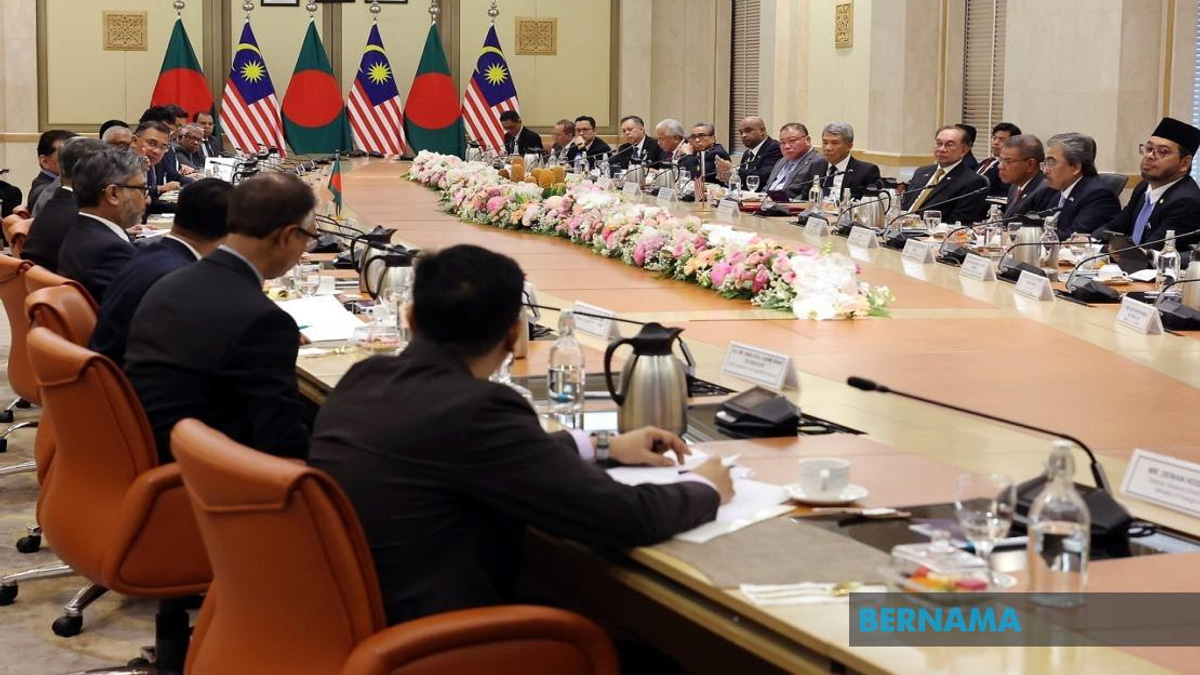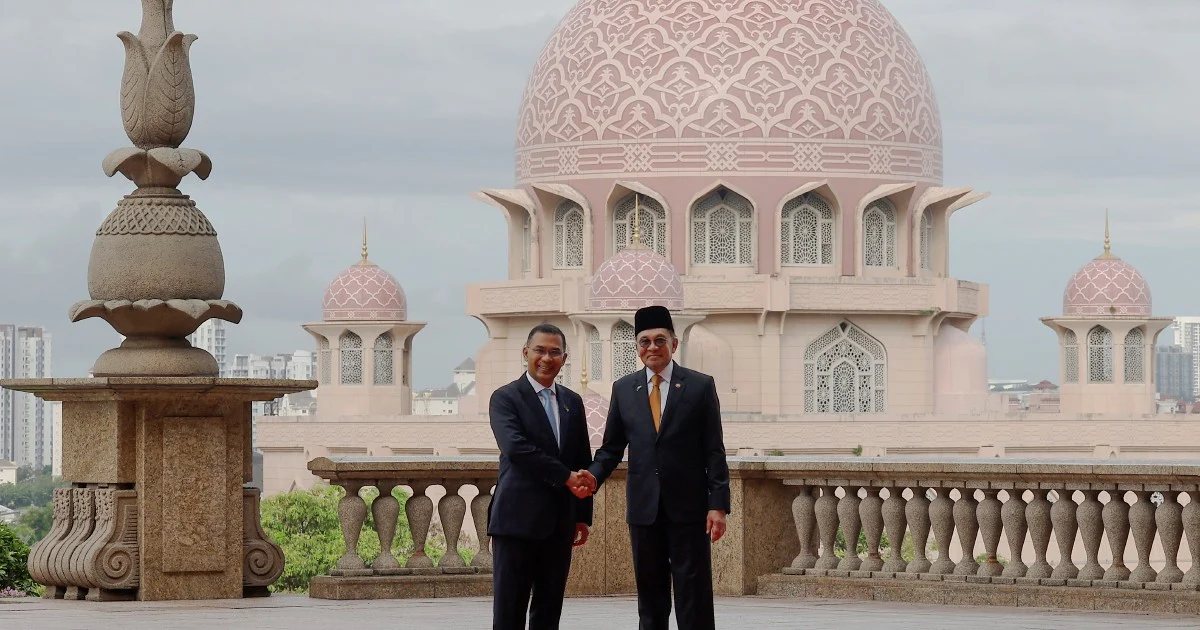
Bangladesh Prime Minister Tarique Rahman has arrived in Malaysia for a two-day official visit, marking a significant diplomatic engagement between the two nations. Prime Minister Anwar Ibrahim received his counterpart at the Perdana Putra Complex in Putrajaya with full official honours, underlining the importance both governments place on strengthening bilateral relations.
The visit represents a continuation of the warming ties between Malaysia and Bangladesh, two major players in South Asia and Southeast Asia respectively. Such high-level state visits typically signal momentum in diplomatic relations and provide platforms for discussing matters of mutual concern. The formal reception at Putrajaya's administrative centre reflects the ceremonial significance accorded to visiting heads of government.
For Malaysian readers, this engagement carries particular relevance given the substantial Bangladeshi diaspora in the country. Millions of Bangladeshi nationals work in Malaysia across diverse sectors including manufacturing, construction, and domestic service, making people-to-people connections a vital underpinning of bilateral affairs. The strengthening of official channels between Putrajaya and Dhaka can have practical implications for the welfare and protection of these workers, as well as facilitating smoother labour regulations and migration agreements.
Tarique Rahman's leadership in Bangladesh has coincided with significant political transitions in the country. His administration has prioritised reshaping Bangladesh's international relationships and development partnerships. Malaysia, as a fellow Muslim-majority nation with strong economic capabilities, holds strategic importance in Dhaka's diplomatic calculations. Similarly, Bangladesh represents a substantial market and source of human resources for Malaysian enterprises.
The timing of this visit merits consideration within the broader context of regional geopolitics. South Asia and Southeast Asia are experiencing shifting alignments as major powers compete for influence. Bangladesh's engagement with Malaysia during this period suggests both nations are keen to maintain robust sub-regional partnerships independent of major power competition. For Malaysia, maintaining strong ties with important South Asian states helps diversify its foreign policy and reduce dependency on traditional partnerships.
Bilateral cooperation between Malaysia and Bangladesh spans multiple domains. Trade and investment constitute core pillars, with Malaysian companies active in Bangladesh's development projects and vice versa. Beyond commerce, the two nations collaborate on security matters, particularly in combating transnational crime, terrorism, and maritime challenges. Educational exchanges and cultural programmes also feature prominently in the relationship, fostering deeper understanding between their populations.
The official welcome extended to the Bangladesh Prime Minister demonstrates Anwar Ibrahim's commitment to active engagement with regional counterparts. Since assuming office, Anwar has emphasised regional cooperation and multilateral diplomacy as cornerstones of Malaysia's foreign policy. His administration has sought to position Malaysia as a bridge-builder and consensus-maker within ASEAN and the broader Asian community.
From a Malaysian economic perspective, stronger ties with Bangladesh open avenues for expanding trade in various sectors. Malaysian manufacturing expertise could support Bangladesh's industrial development, while Bangladesh offers opportunities for Malaysian investors seeking to diversify their portfolios beyond ASEAN markets. The shared Islamic heritage and cultural similarities also provide foundation for deepening people-to-people connections and tourism exchanges.
The two-day duration of this visit indicates substantive engagement beyond ceremonial proceedings. Typically, official bilateral visits of this length involve substantive meetings between prime ministers, ministerial-level discussions, and potentially the signing of memoranda of understanding or bilateral agreements. Such instruments often address practical cooperation mechanisms, whether in trade facilitation, immigration procedures, or skills development.
For Southeast Asia broadly, the Bangladesh Prime Minister's visit to Malaysia underscores the region's growing interconnectedness. Bangladesh, while geographically positioned in South Asia, maintains considerable engagement with Southeast Asian states through BIMSTEC and other multilateral forums. Malaysia's role in facilitating Bangladesh's integration into regional mechanisms reflects its position as a bridge between South and Southeast Asia.
The visit also carries implications for understanding Malaysia's balancing act in regional diplomacy. While ASEAN unity remains paramount for Malaysian foreign policy, engagement with key South Asian partners prevents the grouping from becoming isolated or oriented solely toward one geopolitical bloc. Bangladesh, with its significant population and growing economy, represents an important counterweight in Asia's evolving balance of power.
Looking forward, the outcomes of this official visit will likely shape the trajectory of Malaysia-Bangladesh relations over the coming months. Whether formal agreements are signed or policy commitments made during these discussions could influence employment conditions for Bangladeshi workers in Malaysia, bilateral investment flows, and security cooperation. Malaysian businesses and the significant Bangladeshi community in Malaysia will watch developments closely as the visit unfolds.