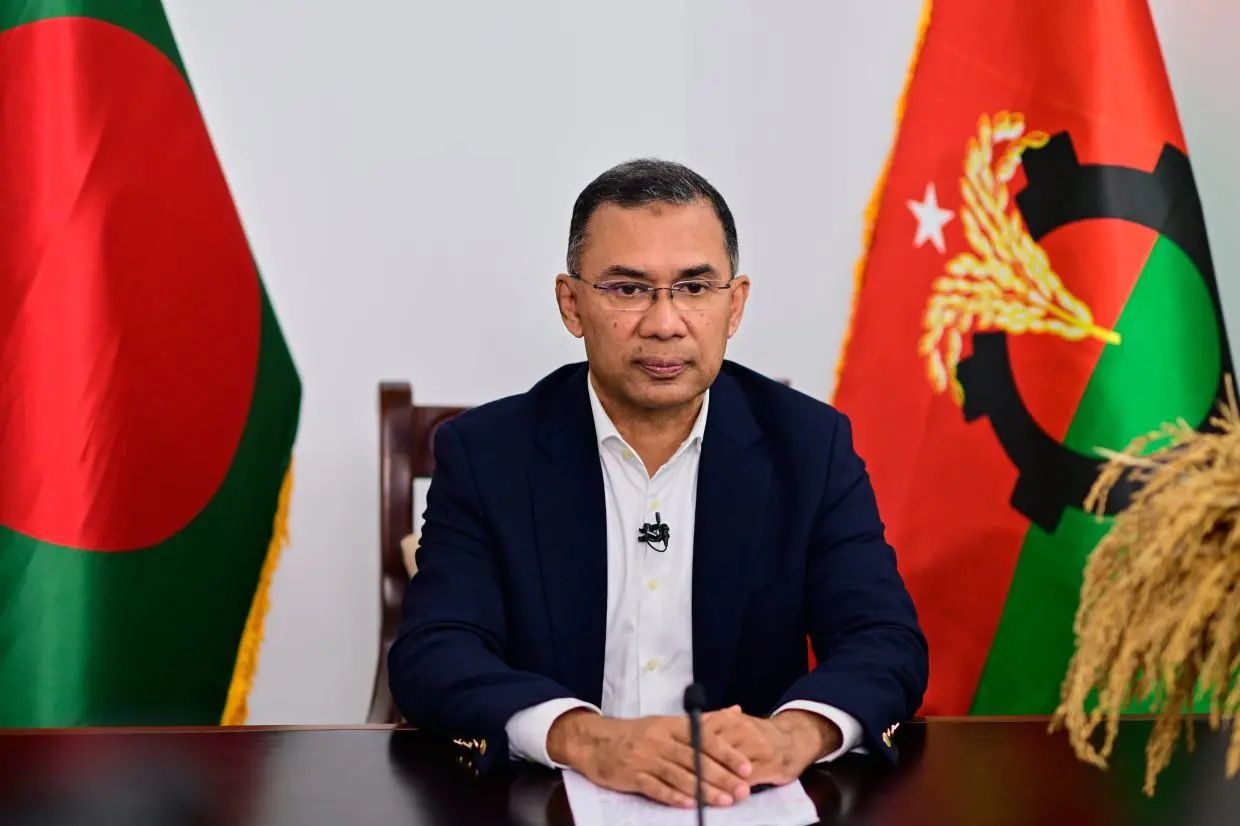
Prime Minister Tarique Rahman of Bangladesh is embarking on his maiden international tour this weekend, with stops in Malaysia followed by China, according to an announcement from the foreign ministry in Dhaka on Saturday. The decision to visit these countries first, rather than neighbouring India—the nation that geographically surrounds much of Bangladesh—represents a striking diplomatic manoeuvre that reflects the transformed political landscape in South Asia following last year's political upheaval.
The itinerary begins in Malaysia on Sunday, with Rahman subsequently travelling to China on Monday. Officials in Dhaka have indicated that the Beijing leg will focus on trade partnerships and major infrastructure initiatives, with discussions expected to centre on long-stalled development projects that could reshape Bangladesh's economic trajectory. The Teesta river project, a substantial undertaking designed to restore and systematically manage this critical waterway through dredging operations, embankment reinforcement, and irrigation development, features prominently among potential areas for collaboration. Chinese involvement in such infrastructure could prove transformative for Bangladesh's agriculture and water management capabilities.
The sequence of destinations carries profound symbolic weight in Bangladesh's post-August 2024 political environment. The foreign ministry has characterised these visits as a comprehensive diplomatic initiative aimed at fortifying Bangladesh's economic relationships across the region and beyond. By leading with Malaysia rather than India, Rahman is demonstrating a deliberate strategy to diversify Bangladesh's external partnerships and reduce dependence on any single major neighbour—a critical consideration for a nation of 170 million people navigating complex regional power dynamics.
Malaysia holds particular significance for Bangladesh due to the substantial presence of Bangladeshi migrant workers within its borders. Approximately 800,000 Bangladeshi nationals are estimated to reside in Malaysia, representing more than one-third of the country's entire foreign workforce. This demographic reality creates deep people-to-people connections and makes Malaysia an economically vital partner for Bangladesh, as remittances from Malaysian-based workers constitute an important revenue source for families back home. Strengthening governmental ties with Kuala Lumpur therefore carries practical implications beyond formal diplomacy.
The diplomatic coolness towards India stands in sharp contrast to historical patterns of engagement between the two nations. This shift stems directly from the tumultuous events of 2024, when a popular uprising forced the resignation of then-Prime Minister Sheikh Hasina, who had maintained close political and strategic alignment with New Delhi. The revolution created immediate tension in bilateral relations, as Hasina subsequently sought refuge in India, remaining in hiding there ever since. Bangladesh has consistently requested her extradition, a demand India has resisted, creating an ongoing diplomatic sore point that complicates any normalisation efforts.
Beyond the extradition question, multiple friction points have emerged along the Bangladesh-India border region in recent months. Reports indicate that India has been systematically pushing individuals it classifies as illegal migrants across the frontier into Bangladesh, exacerbating communal anxieties and straining relations further. These border tensions, combined with the Hasina refuge situation and fundamental differences in political alignment, have created conditions where Rahman's government finds it strategically advantageous to explore alternative partnerships rather than immediately pursue dialogue with New Delhi.
Rahman assumed the prime ministerial office in February following elections that granted his government a fresh democratic mandate, replacing the interim administration that had governed Bangladesh in the immediate aftermath of Hasina's departure. This electoral legitimacy provides Rahman with political capital to recalibrate Bangladesh's foreign policy orientation without appearing to abandon established relationships. The timing of his first foreign tour—within months of taking office—underscores the new administration's priority on economic engagement and infrastructure development as pathways to consolidating popular support through improved living standards.
China's role in South Asian geopolitics adds another dimension to Rahman's decision-making. India has historically viewed expanding Chinese influence in the region with considerable apprehension, particularly as Beijing invests heavily in infrastructure projects and economic partnerships across South Asia. The competition between these two Asian giants for regional influence creates space for smaller nations like Bangladesh to leverage their geographical position and strategic importance. By engaging simultaneously with China and Malaysia, Rahman positions Bangladesh as an independent actor capable of pursuing multiple partnerships rather than a satellite state aligned with any single power.
The infrastructure projects under discussion in Beijing could deliver substantial development benefits if successfully implemented. The Teesta restoration project alone represents an investment of regional significance, addressing critical water management challenges that affect agricultural productivity across northern Bangladesh. Chinese expertise and financial resources in large-scale infrastructure have proven transformative in other South Asian contexts, and Bangladesh appears positioned to explore similar arrangements.
These inaugural visits reflect broader calculations about Bangladesh's strategic autonomy in a region where larger powers compete for influence and smaller nations must carefully calibrate their diplomatic relationships. Rahman's government appears determined to demonstrate that Bangladesh will not automatically defer to any particular external actor, whether India, China, or Western powers. This posture may ultimately create space for improved relations with India once emotions surrounding the Hasina transition settle, but for now, the diplomatic focus lies on diversifying partnerships and prioritising economic development through engagement with countries offering concrete investment and trade opportunities.
%22%2F%3E%3C%2Fpattern%3E%3C%2Fdefs%3E%3Crect%20width%3D%22100%25%22%20height%3D%22100%25%22%20fill%3D%22url(%23ph3os26g)%22%2F%3E%3Crect%20width%3D%22100%25%22%20height%3D%22100%25%22%20fill%3D%22url(%23ph3os26p)%22%2F%3E%3Ctext%20x%3D%2250%25%22%20y%3D%2250%25%22%20text-anchor%3D%22middle%22%20dominant-baseline%3D%22central%22%20fill%3D%22rgba(255%2C255%2C255%2C0.95)%22%20font-family%3D%22Georgia%2C%20'Times%20New%20Roman'%2C%20serif%22%20font-weight%3D%22700%22%20font-size%3D%22226%22%20letter-spacing%3D%22-0.02em%22%3EHAWANA%3C%2Ftext%3E%3C%2Fsvg%3E)
%22%2F%3E%3C%2Fpattern%3E%3C%2Fdefs%3E%3Crect%20width%3D%22100%25%22%20height%3D%22100%25%22%20fill%3D%22url(%23phg6qg)%22%2F%3E%3Crect%20width%3D%22100%25%22%20height%3D%22100%25%22%20fill%3D%22url(%23phg6qp)%22%2F%3E%3Ctext%20x%3D%2250%25%22%20y%3D%2250%25%22%20text-anchor%3D%22middle%22%20dominant-baseline%3D%22central%22%20fill%3D%22rgba(255%2C255%2C255%2C0.95)%22%20font-family%3D%22Georgia%2C%20'Times%20New%20Roman'%2C%20serif%22%20font-weight%3D%22700%22%20font-size%3D%22320%22%20letter-spacing%3D%22-0.02em%22%3EDr%3C%2Ftext%3E%3C%2Fsvg%3E)
%22%2F%3E%3C%2Fpattern%3E%3C%2Fdefs%3E%3Crect%20width%3D%22100%25%22%20height%3D%22100%25%22%20fill%3D%22url(%23ph4twxvg)%22%2F%3E%3Crect%20width%3D%22100%25%22%20height%3D%22100%25%22%20fill%3D%22url(%23ph4twxvp)%22%2F%3E%3Ctext%20x%3D%2250%25%22%20y%3D%2250%25%22%20text-anchor%3D%22middle%22%20dominant-baseline%3D%22central%22%20fill%3D%22rgba(255%2C255%2C255%2C0.95)%22%20font-family%3D%22Georgia%2C%20'Times%20New%20Roman'%2C%20serif%22%20font-weight%3D%22700%22%20font-size%3D%22320%22%20letter-spacing%3D%22-0.02em%22%3E95%3C%2Ftext%3E%3C%2Fsvg%3E)