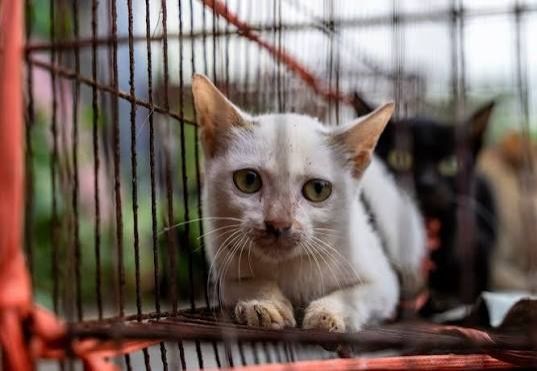
Police in Ho Chi Minh City have successfully dismantled a sophisticated feline theft operation, with nine arrests made following a crackdown that has seen more than 400 live cats removed from a slaughter facility. The rescue effort, revealed Tuesday through statements from animal welfare advocates, marks a significant enforcement action against a criminal enterprise that allegedly operated with impunity across southern Vietnam for three years. The operation represents one of the largest organised pet theft investigations in the Southeast Asian nation in recent memory, shining a light on a shadowy underworld that feeds into the broader cat and dog meat trade.
The breakthrough came after authorities in Ho Chi Minh City responded to escalating complaints about missing household pets in the city. Investigation revealed an operation of stunning scale: police discovered more than 400 living cats held in appalling conditions, alongside approximately 80 preserved carcasses stored on ice. An additional 21 animals were seized from a separate holding facility, indicating the syndicate operated multiple collection and processing points. According to the official Ho Chi Minh City police newspaper, the arrested individuals formed a "criminal group specialising in stealing and collecting cats," with investigators tracing their activities back across the sprawling Mekong Delta region.
The mechanics of the theft ring involved perpetrators actively hunting domestic animals through neighbourhoods and suburban areas. According to police statements, suspects employed luring and trapping techniques to capture cats, indicating a methodical rather than opportunistic approach. This sophistication suggests the operation possessed significant resources, infrastructure, and coordination to transport, hold, and ultimately process such large volumes of animals. The three-year span of documented criminal activity indicates authorities faced considerable challenges in detecting and disrupting the ring until public complaints intensified pressure for action.
While cat and dog meat consumption exists within Vietnamese culinary traditions and remains legal under national law, regulations do govern the practice. Vietnamese legislation requires vendors to maintain certificates documenting the legitimate origin of animals sold as meat. Many restaurants throughout the nation openly advertise such products, suggesting the market operates with considerable mainstream acceptance in certain segments of society. However, the theft ring's existence underscores a critical gap: vendors could potentially source animals through illegal channels without proper origin documentation, effectively laundering stolen pets into the food supply chain.
The human dimension of this case emerged as rescue operations progressed. Humane World for Animals confirmed that at least 40 of the confiscated cats have already been successfully reunited with their original owners, providing a measure of closure to families who had believed their beloved companions permanently lost. The animal welfare organisation publicly commended the police response, characterising the intervention as "decisive action that has saved the lives of so many animals." This acknowledgment signals growing cooperation between Vietnamese law enforcement and international animal protection networks.
Yet the rescue operation's broader toll reveals troubling realities about the animals' ordeal. Approximately 100 of the rescued felines subsequently died from the physical and psychological trauma they experienced during captivity. These deaths suggest the cats endured severe stress, poor sanitation, malnutrition, and inadequate veterinary care while held by the syndicate. The mortality figures underscore that successful police intervention, while crucial, cannot fully reverse the damage inflicted on animals subjected to such exploitation.
The ongoing challenge extends beyond the immediate crisis. Karanvir Kukreja, representing Humane World for Animals, highlighted concerns about the approximately 100 cats still held at police facilities, where they remain classified as evidence during the prosecution of the nine accused individuals. This legal requirement, while necessary for building a case against the suspects, creates additional hardship for already traumatised animals. Kukreja indicated that the welfare organisation had begun providing supplementary resources, donating food supplies and coordinating the delivery of fans to mitigate heat stress within the police holding areas.
The investigation raises broader questions about animal trafficking in Southeast Asia and the enforcement mechanisms available to combat organised wildlife crime. While international focus has concentrated heavily on endangered species trafficking, the case demonstrates that domestic animals remain vulnerable to systematic criminal exploitation. The scale of the operation—involving multiple collection sites and a three-year operational history—suggests such networks may be more prevalent than official statistics indicate. Other major Southeast Asian cities, including those in Thailand, Laos, and Cambodia, likely host similar underground enterprises that remain undocumented.
For Malaysian readers and observers in the wider region, the case provides cautionary context. While Malaysia has not experienced comparable publicised cases of organised cat theft, the Vietnam operation demonstrates how cultural attitudes toward animal consumption, combined with weak enforcement of origin certification requirements, create opportunities for criminal networks. Malaysia's own regulations governing the sale of bushmeat and exotic animals may similarly benefit from enhanced enforcement and traceability mechanisms.
The prosecution phase now moves forward with nine individuals facing criminal charges related to theft and processing of stolen property. Convictions could establish important precedent for treating organised pet theft as serious criminal enterprise rather than minor property crime. The sentences imposed could significantly influence how similar cases are prosecuted throughout Vietnam and neighbouring jurisdictions, potentially creating deterrent effects for future potential offenders.
The rescue represents a significant victory for animal advocacy networks operating across Southeast Asia, demonstrating that coordinated pressure and police cooperation can yield results even in contexts where animal protection remains a nascent policy priority. However, the case equally illustrates the limitations of reactive enforcement: hundreds of animals suffered irreversible harm before authorities intervened. Moving forward, preventing such exploitation will require more proactive investigation strategies, stronger origin traceability mechanisms, and public awareness campaigns educating citizens about the risks of purchasing meat from unverified sources.


%22%2F%3E%3C%2Fpattern%3E%3C%2Fdefs%3E%3Crect%20width%3D%22100%25%22%20height%3D%22100%25%22%20fill%3D%22url(%23ph2hy9vg)%22%2F%3E%3Crect%20width%3D%22100%25%22%20height%3D%22100%25%22%20fill%3D%22url(%23ph2hy9vp)%22%2F%3E%3Ctext%20x%3D%2250%25%22%20y%3D%2250%25%22%20text-anchor%3D%22middle%22%20dominant-baseline%3D%22central%22%20fill%3D%22rgba(255%2C255%2C255%2C0.95)%22%20font-family%3D%22Georgia%2C%20'Times%20New%20Roman'%2C%20serif%22%20font-weight%3D%22700%22%20font-size%3D%22272%22%20letter-spacing%3D%22-0.02em%22%3EAnwar%3C%2Ftext%3E%3C%2Fsvg%3E)