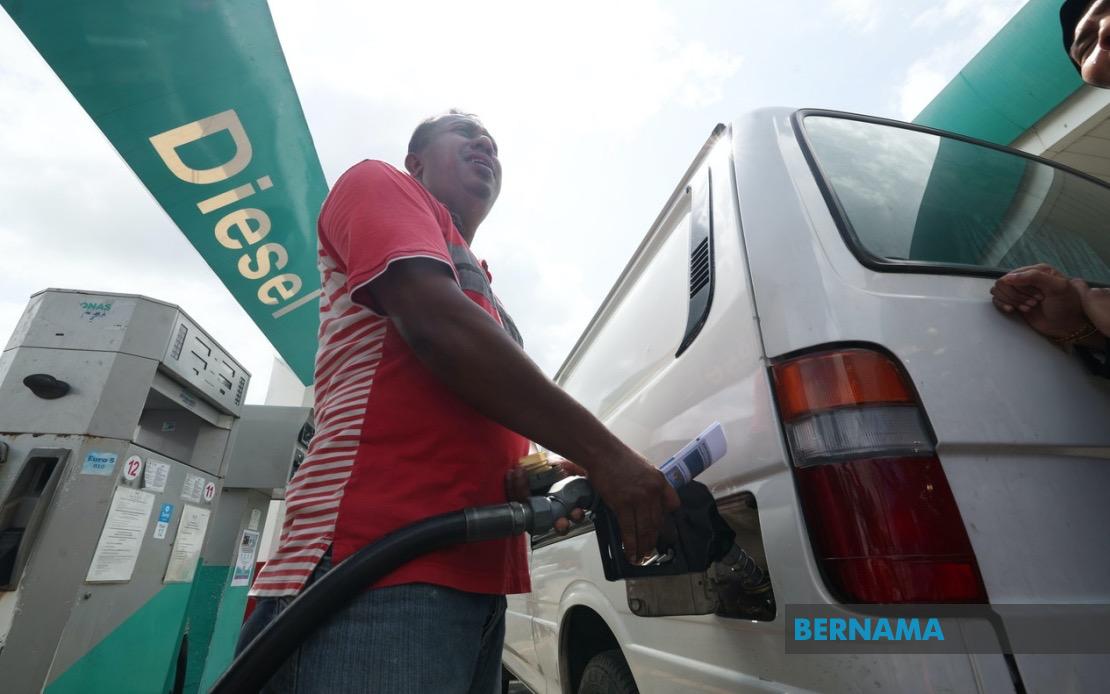
The Malaysian government will lower the ceiling price for subsidised diesel to RM2.10 per litre beginning next month, an announcement made by Prime Minister Datuk Seri Anwar Ibrahim at an official ceremony in Bintulu. This marks a significant shift in how fuel subsidies are distributed to citizens, moving away from blanket price controls towards a more selective, need-based system. The reform reflects a broader MADANI Government strategy to manage fiscal expenditure while protecting lower-income households from volatile international commodity prices.
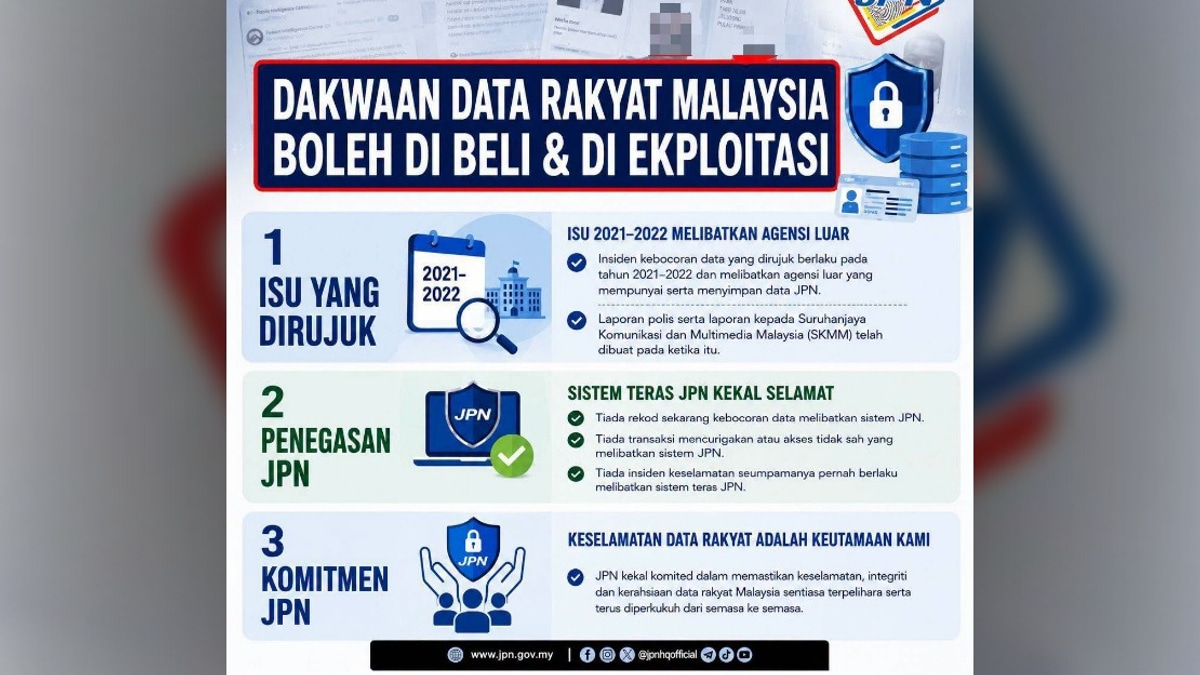
The diesel subsidy mechanism will operate similarly to the existing BUDI MADANI RON95 programme, which provides targeted support for premium fuel at subsidised rates. Under this structure, eligible Malaysian citizens will need to verify their status using MyKad — the national identity card — when purchasing diesel at participating stations. This verification process aims to prevent misuse and ensure that subsidies reach intended beneficiaries rather than being exploited for commercial purposes or exported informally across borders.
The distinction between subsidised and market-rate diesel has become increasingly important for Malaysia's fiscal health. Global crude oil markets have remained volatile, and maintaining blanket price controls on fuel without targeting creates substantial fiscal drag that ultimately affects government spending on healthcare, education, and infrastructure. By implementing the MyKad verification system, authorities can theoretically maintain lower prices for individuals while allowing commercial operators and businesses to purchase diesel closer to market rates, creating a more economically sustainable framework.
Finance Minister II Datuk Seri Amir Hamzah Azizan is scheduled to provide comprehensive details regarding the implementation mechanics during a media briefing in Kuala Lumpur. This announcement suggests the government is preparing detailed guidelines on station participation, verification procedures, and potential transaction limits per individual or household. Such specifics will be crucial for retailers preparing to operate the new system and for consumers understanding their eligibility and purchase entitlements.
The timing of this announcement, delivered during the Cheque Handover Ceremony marking Bintulu Port's transition from federal to state port authority, underscores the government's multi-pronged approach to addressing fiscal challenges and regional development. The port conversion itself represents devolution of certain economic powers to Sarawak, reflecting broader federalism discussions. Coupling this with fuel subsidy reform during the same event suggests the MADANI Government views economic restructuring as interconnected — ports, energy pricing, and fiscal transfers are being reordered simultaneously.
For Malaysian motorists and businesses, the RM2.10 per litre price point carries particular significance. During recent years, unsubsidised diesel has fluctuated between RM2.60 and RM3.20 per litre depending on global market movements. A fixed RM2.10 rate for eligible consumers provides substantial protection against price shocks, though it represents a slight increase from some previous benchmark prices during temporary market lows. For commercial users unable to access the subsidy, however, the differential between subsidised and market pricing could create logistical complications or incentivize purchases through the subsidised channel if not carefully monitored.
The rollout mechanism deserves scrutiny regarding operational feasibility. Malaysia's petrol station network spans urban centres and remote areas, with varying technological infrastructure. Implementing MyKad verification at thousands of fuel dispensers nationwide requires either internet connectivity or offline verification systems — a significant technical and logistical undertaking. The government's experience with the BUDI95 programme provides a template, but scaling diesel verification to a potentially larger user base presents fresh challenges, particularly in rural regions where internet reliability remains inconsistent.
From a macroeconomic perspective, the targeted subsidy model addresses Malaysia's persistent challenge of balancing welfare provisions with fiscal sustainability. The national budget has faced pressure from ageing population demographics, rising healthcare costs, and infrastructure maintenance needs. By narrowing subsidy eligibility through income or asset verification, the government can theoretically reallocate resources to growth-oriented spending while maintaining the safety net for vulnerable populations. However, the effectiveness hinges entirely on implementation rigour — any significant leakage or verification failures would undermine both fiscal and equity objectives.
Regional energy markets will watch this development closely. Several ASEAN neighbours including Indonesia and Thailand have struggled with similar subsidy dilemmas, typically responding with repeated price adjustments or targeted voucher systems. Malaysia's MyKad-based approach offers a potential model for other countries with advanced national identity systems, though cultural and political factors in neighbouring countries may preclude adoption. The announcement also signals Malaysia's willingness to move away from the traditional price-control paradigm that dominated Southeast Asian fuel policy throughout the 1990s and 2000s.
The diesel price point also carries implications for transportation and logistics operators, who represent significant fuel consumers. Haulage companies, public transport operators, and agricultural businesses will need to assess eligibility criteria and plan procurement strategies accordingly. If commercial vehicles cannot access the subsidised rate, operating costs will rise — potentially cascading into higher transportation charges for consumers. This interaction effect between fuel pricing and broader cost-of-living pressures deserves monitoring as the July 2026 implementation date approaches.
Industry observers anticipate that detailed eligibility criteria will encompass income thresholds, vehicle ownership limits, or purchase volume caps. Without such restrictions, the subsidy could inadvertently support commercial activities not intended as beneficiaries. Previous Malaysian subsidy programmes have faced implementation challenges when verification loopholes emerged, so the government will likely emphasize airtight verification procedures during Finance Minister Amir Hamzah's briefing.
The announcement also reflects demographic realities in Malaysia's labour market. With increasing shares of workers in gig economy roles, delivery services, and informal transport sectors, a MyKad-based subsidy system must account for individuals whose primary income derives from petrol or diesel consumption. Agricultural workers, long-distance commuters, and owner-operators represent constituencies whose support for subsidy reform likely influenced policy design. The MADANI Government appears conscious of balancing fiscal responsibility with political acceptability across diverse income groups.