Police in Beijing have arrested more than 30 suspects in connection with a sweeping fraud scheme that exploited vulnerable senior citizens through fake health treatments, ultimately defrauding over 100 victims of approximately 10 million yuan, or US$1.5 million. The elaborate con operated across multiple health centres masquerading as legitimate clinics throughout various Beijing districts, employing a network of fraudsters who systematically targeted elderly residents with tactics designed to exploit emotional isolation and fear of illness.
The scheme came to light when the family of a woman in her 60s, identified by the surname Li, discovered the extent of her financial losses at one of the fraudulent establishments. Over an extended period, Li had spent approximately 700,000 yuan—roughly US$103,000—on treatments she believed would address serious health conditions. Individual sessions for expensive treatments at the facility cost tens of thousands of yuan, creating an escalating financial burden that Li bore largely alone until family members uncovered the deception.
The operators employed a calculated grooming strategy to gain trust and emotional leverage over their targets. What began as a simple 38-yuan foot massage voucher purchase became the entry point for a sustained manipulation campaign. Staff members cultivated a facade of genuine care, remembering personal details such as birthdays and creating an illusion that they were more attentive to the victims' wellbeing than their own families. This emotional manipulation proved particularly effective given the demographic profile the scammers deliberately sought out—affluent seniors living alone or those experiencing emotional disconnection despite having adult children.
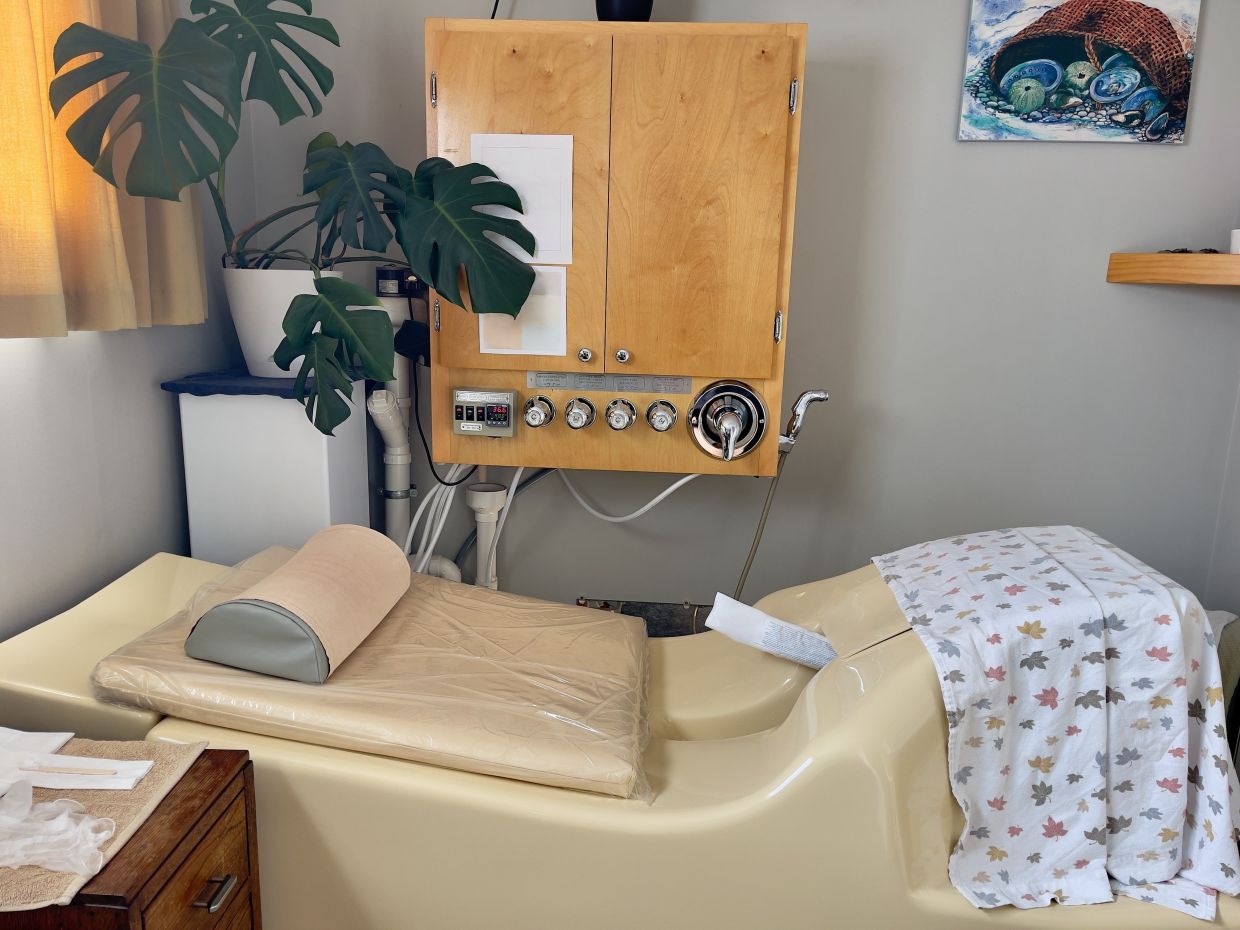
The recruitment and conversion methodology followed a predictable but effective pattern. Operatives would position themselves at senior gathering spaces and community centres, offering complimentary medical consultations purportedly conducted by qualified health experts. These purported specialists would diagnose various ailments and recommend extended, costly treatment regimens. The critical element in the con involved an intestinal cleansing procedure designed to manufacture tangible 'evidence' of the supposed health crisis. By adding dark soy sauce—a common cooking ingredient used for food colouration—to the cleansing liquid, the fraudsters created a compelling visual demonstration that appeared to validate their diagnosis of dangerous bodily toxins.
The emotional manipulation extended beyond the clinical setting into more sinister financial coercion. In one particularly troubling instance, when Li expressed her intention to discontinue treatment after depleting her savings, clinic staff pressured her to pawn personal assets, specifically her gold bracelet, with the emotionally manipulative argument: "If your illness cannot be treated, what do you need money for?" This predatory approach to financial extraction demonstrates how thoroughly the operators had studied vulnerability and social psychology in their targeting methodology.
The scale of the operation reveals the systematic nature of the fraud. The health centres achieved a combined turnover exceeding 30 million yuan—approximately US$4.5 million—a figure that officials noted was abnormally high for establishments of this type. Individual victims suffered dramatically disparate losses; one elderly person was defrauded of more than 2 million yuan, equivalent to US$295,000, representing what for most would constitute a lifetime accumulation of savings. The network comprised over 20 separate facilities operating simultaneously across multiple Beijing districts, each functioning as part of a coordinated fraud apparatus.
Demographic realities in China have created a vulnerable population particularly susceptible to this type of exploitation. As of the end of 2025, China's population aged 60 and above totals 323 million people, representing 23 percent of the nation's total population. Among this elderly cohort, approximately 60 percent are classified as "empty-nesters," a category encompassing seniors without children or whose adult children reside at considerable distance. This demographic segment experiences heightened emotional isolation and yearning for attention, creating psychological conditions that predatory operations like this one systematically exploited.
The targeting methodology reflected sophisticated understanding of elderly psychology and contemporary Chinese family structures. The scammers focused deliberately on individuals with financial means but without robust family supervision, recognising that affluent seniors living independently would have both the resources and the reduced oversight necessary to sustain large expenditures without immediate detection. The emphasis on emotional connection and care—remembering birthdays, demonstrating attentiveness, positioning themselves as confidants—proved more effective than straightforward financial persuasion alone.
Regulatory oversight and industry standards emerge as critical concerns following this exposure. Observer commentary circulating online highlights that numerous ostensibly legitimate health centres employ similar gift-incentive strategies to attract elderly clientele, though not all operate with fraudulent intent. The incident underscores the pressing need for strengthened government supervision and clearer regulatory frameworks distinguishing between legitimate preventive health services and predatory operations. The health and wellness industry targeting seniors has historically operated in regulatory grey zones, lacking the stringent oversight applied to pharmaceuticals or medical devices.
The implications extend beyond individual financial losses to broader social and policy considerations. The prevalence of empty-nest elderly populations creates ongoing vulnerabilities that extend to various forms of exploitation beyond health-related fraud. Senior-focused initiatives in Malaysia and other Southeast Asian nations, where demographic ageing is accelerating, should observe these cautionary developments. As populations across the region grey, the market for health services targeting seniors will expand substantially, creating both legitimate business opportunities and heightened risks of predatory operators capitalising on vulnerability.
The case demonstrates how contemporary fraud schemes blend emotional manipulation, social engineering, and manufactured evidence to overcome rational scepticism. Traditional authorities have focused on detecting financial fraud patterns; this operation reveals how psychological grooming and emotional investment can override financial prudence among even rationally competent individuals. The perpetrators invested significant effort in relationship-building before pursuing aggressive financial extraction, suggesting that vulnerability to such schemes transcends education or initial financial literacy.
Moving forward, the incident highlights necessity for public awareness campaigns specifically addressing the social and psychological tactics employed in elder-targeted fraud. Simple financial literacy initiatives prove insufficient against operators who deliberately target emotional needs and manufacture false evidence of health crises. Family members, community organisations, and health authorities must develop coordinated approaches to identifying predatory operations before they establish deep emotional connections with vulnerable seniors.